European Deforestation Regulation: Cameroon Ready to Export Despite Cocoa Export Decline
By GOLDEN BEANS · 2 September 2026 · 3 min read
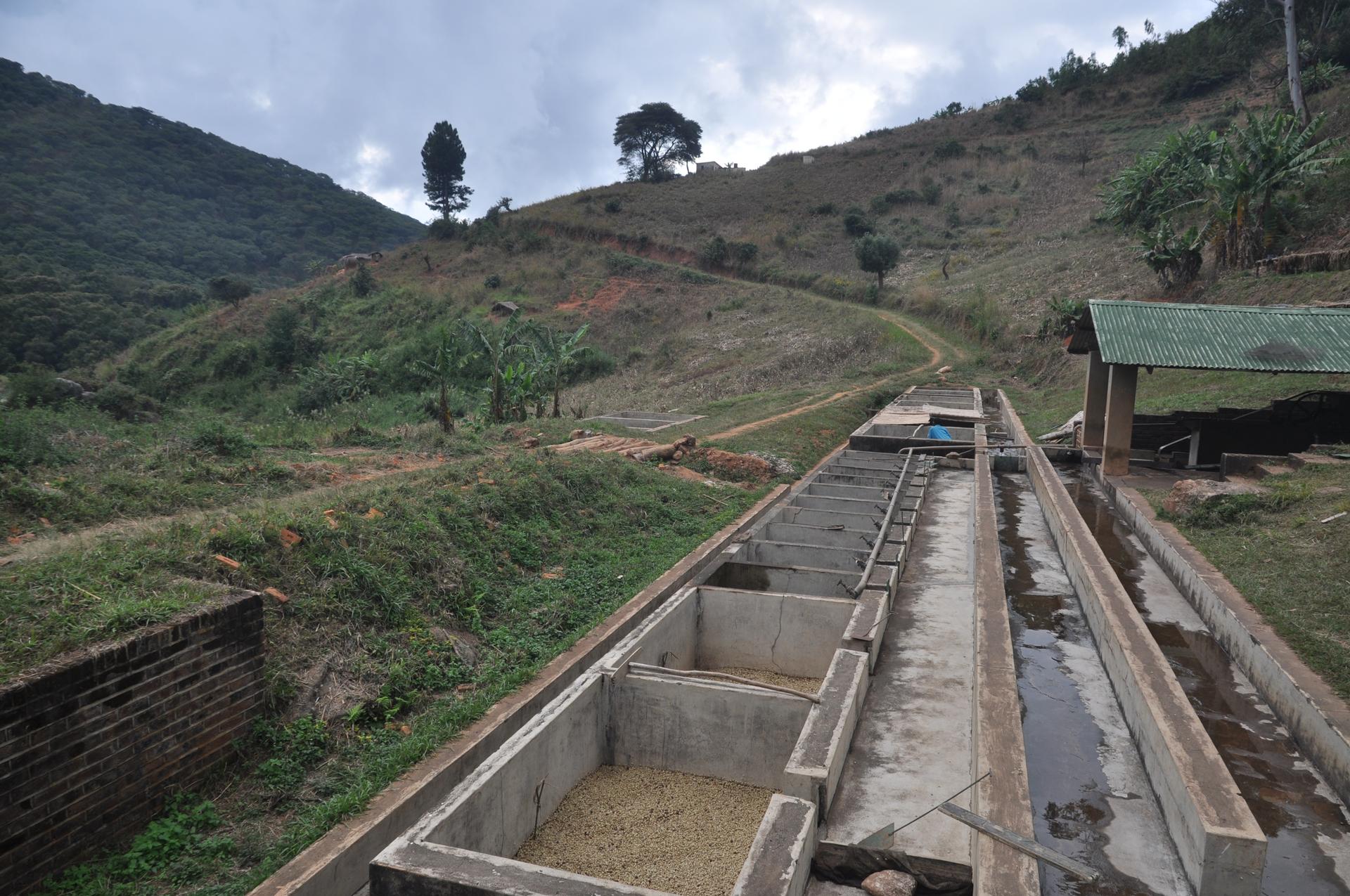
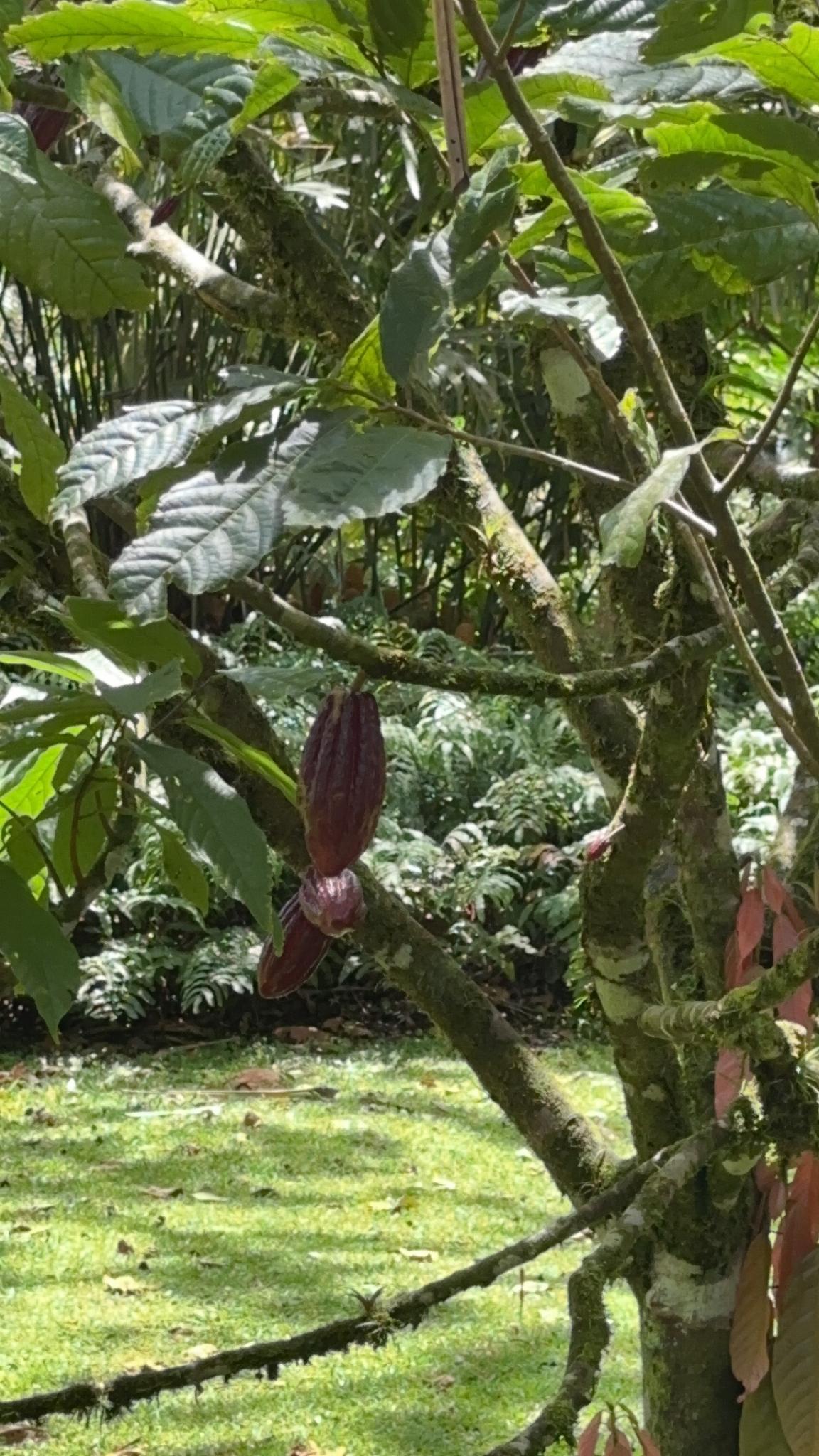
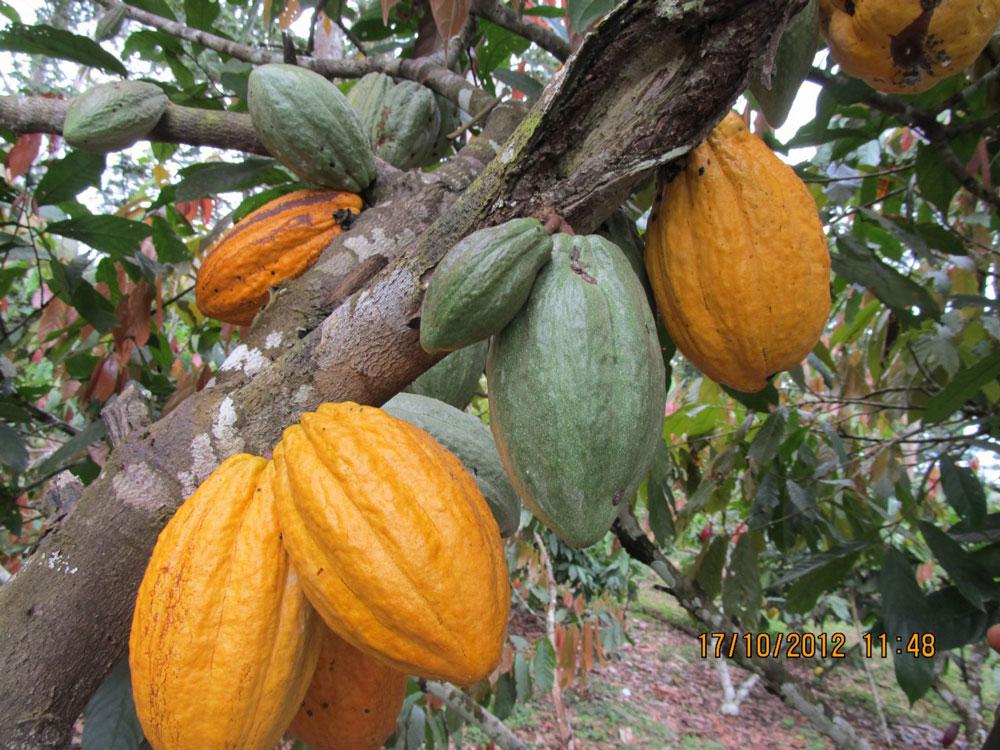
Cameroon is positioning itself to meet the requirements of the European Deforestation Regulation (EUDR), which aims to prohibit the importation of products linked to deforestation. According to statements from the Minister of Agriculture, the country is on track to prepare the necessary documentation for this new regulation (source: Cameroon Tribune). However, this initiative comes at a challenging time as Cameroon’s cocoa exports have dropped by 66,543 tons, representing a 34.65% decrease for the 2025-2026 season (source: Investir au Cameroun). This situation raises concerns about the sustainability of the cocoa sector in the country.
Prices of Cocoa and Coffee Products Currently, the prices of cocoa and coffee products in Cameroon are as follows: - Cocoa: 3,569 FCFA/kg FOB (ONCC), down from previous months. - Arabica Coffee: 1,869 FCFA/kg FOB (ONCC), down by 54.97%. - Robusta Coffee: 3,569 FCFA/kg FOB (ONCC), up by 90.96%.
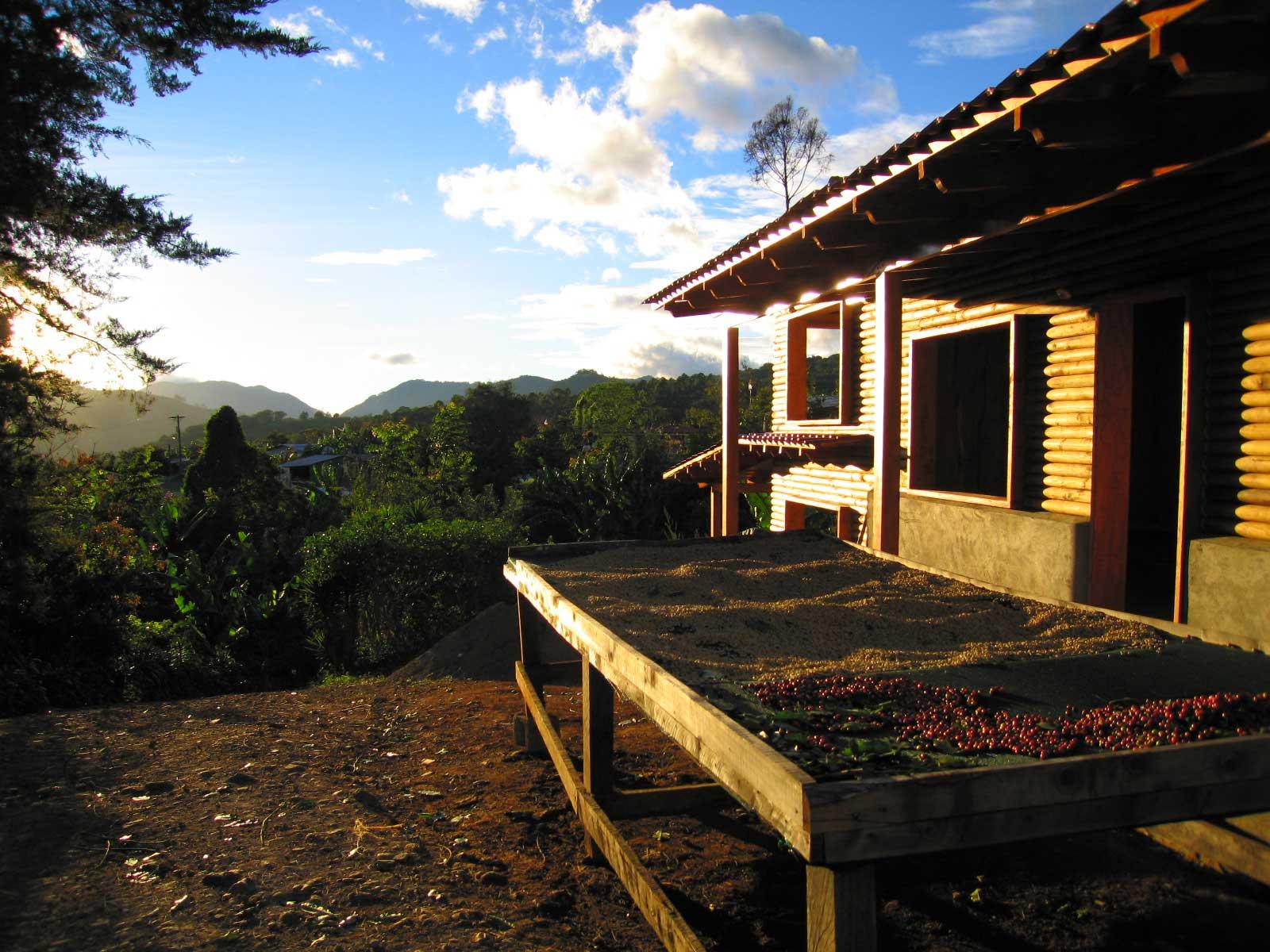
Market Status in West Africa Ivory Coast, the world’s leading cocoa producer, has also experienced fluctuations in its exports. Ivorian authorities have announced that they are tracing 40% of their cocoa, but the EUDR has been delayed, which could affect their ability to meet European requirements (source: africanews.com). Meanwhile, Cameroon, facing a decline in exports, must double its efforts to maintain its position in the international market.
Cocoa Derivatives and Coffee Regarding cocoa derivatives, cocoa butter and cocoa mass are key products for processors. Cocoa butter is particularly sought after for its applications in the cosmetic and food industries. The prices of these derivatives remain influenced by fluctuations in cocoa bean prices. Processors must closely monitor market trends to adjust their sourcing strategies.
Regulation and EUDR Preparation Cameroon is preparing to implement sustainable practices to comply with the EUDR requirements. This includes improving product traceability and establishing certification systems to ensure that exported cocoa does not contribute to deforestation. Local producers, especially in the Southwest regions, are adapting to the new regulations while demanding fair prices for their products (source: Global Voices en Français).
In conclusion, Cameroon must navigate a complex environment, facing challenges for its cocoa exports while complying with new European regulations. The ability to adapt quickly will be crucial for the future of the cocoa sector in the country.
Get the daily market brief
Cocoa, coffee and EUDR insights in your inbox.
→ Get the daily market brief