Cocoa
Cameroon's Exports Plunge 23.6% in Q1, Impacting Cocoa Sector - Investir au Cameroun
By GOLDEN BEANS · 13 August 2026 · 3 min read

Context of the Day According to a report from Investir au Cameroun, Cameroon's exports have dropped by 23.6% in the first quarter of 2026, due to declining volumes of cocoa and hydrocarbon exports. This situation raises concerns about the viability of the cocoa sector, which is crucial for the Cameroonian economy. Cocoa represents a significant share of the country's export revenues, and such a decline could have repercussions on local producers and the entire value chain.
Prices Golden Beans/ICE/ONCC Current product prices are as follows: £4062/T for cocoa on the ICE London market, down 4.78%. Locally, the price of arabica coffee is 4086 FCFA/KG FOB ONCC, down 1.4%, while robusta is trading at 2029 FCFA/KG FOB ONCC, down 2.17%.
Situation in West Africa / Cameroon The decline in cocoa exports in Cameroon is part of a broader context where West African producing countries, notably Côte d'Ivoire and Ghana, are facing similar challenges. Cocoa producers in Cameroon must navigate a difficult market environment marked by price fluctuations and adverse weather conditions. Furthermore, cooperation between Cameroon and Côte d'Ivoire to strengthen the cocoa sector may be tested by these economic challenges (source: Journal du Cameroun).
Derivatives and Coffee Regarding cocoa derivatives, the demand for cocoa butter and powder may also be affected by the decline in export volumes. Local producers need to adapt to maintain the quality and competitiveness of their products in the international market. Additionally, robusta coffee has shown a slight price increase in production basins, which could offer an opportunity for producers to diversify their income (source: Investir au Cameroun).
EUDR and Regulation Documentary preparation for compliance with the EU Deforestation Regulation (EUDR) is a crucial issue for Cameroonian exporters. While producers are in the preparation phase, it is essential to monitor the evolution of regulatory requirements to ensure access to European markets. Compliance could also influence prices and demand for Cameroonian cocoa products in the international market (source: CED Cameroon).
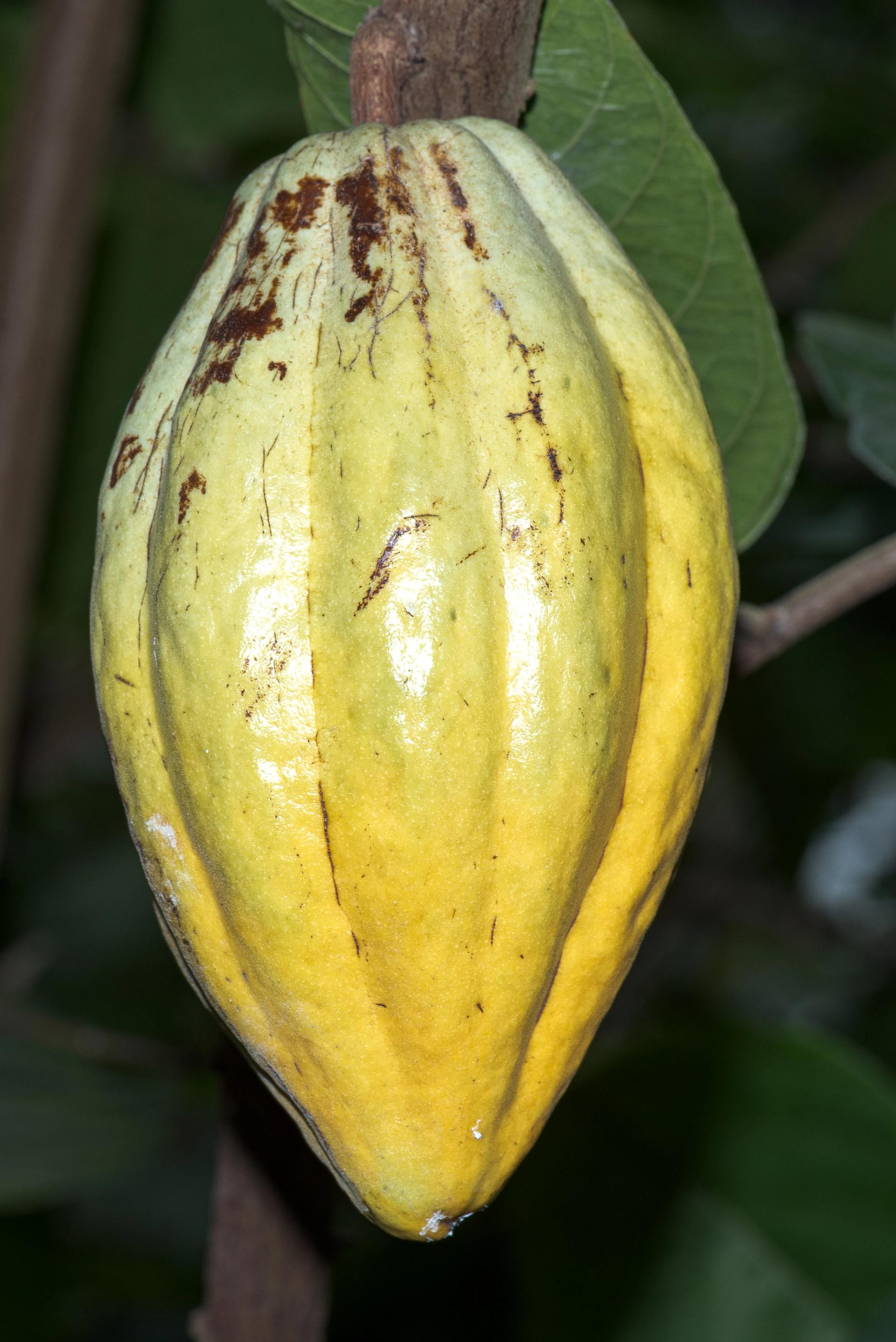
Conclusion The current situation of cocoa exports in Cameroon is concerning and requires particular attention from sector stakeholders. Producers must adapt to market fluctuations while meeting the growing sustainability and regulatory compliance demands. Regional cooperation and innovation in agricultural practices will be essential to overcome these challenges.
Get the daily market brief
Cocoa, coffee and EUDR insights in your inbox.
→ Get the daily market brief