Cameroon: Raw Cocoa Becomes the Top Source of Foreign Currency Surpassing Oil in 2025 - La Tribune
By GOLDEN BEANS · 7 October 2026 · 3 min read
Cameroonian Cocoa Leading Exports
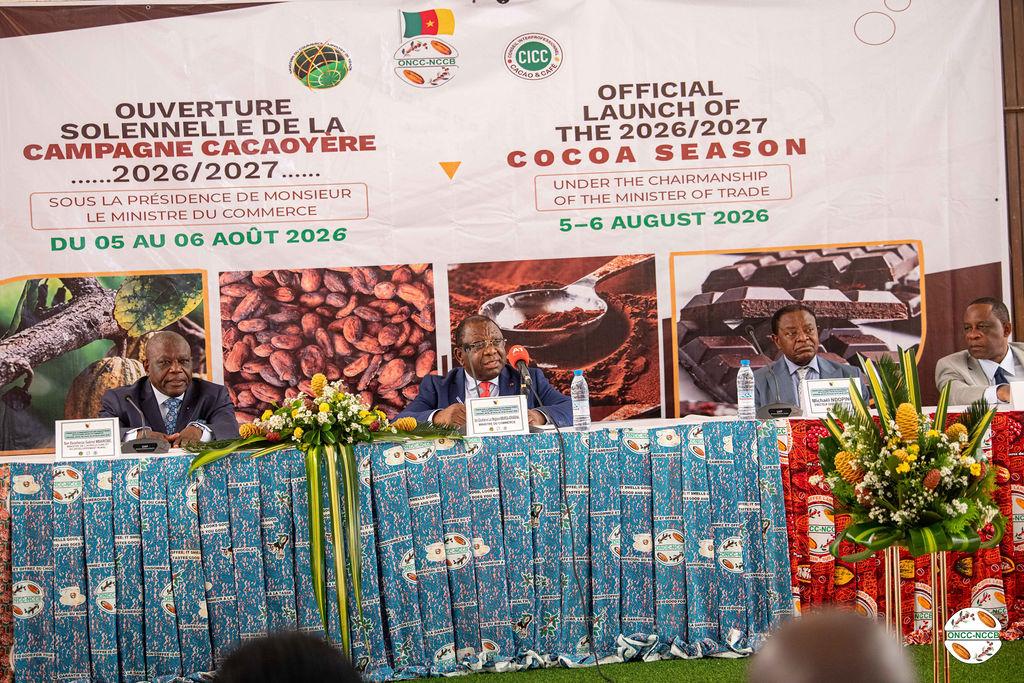
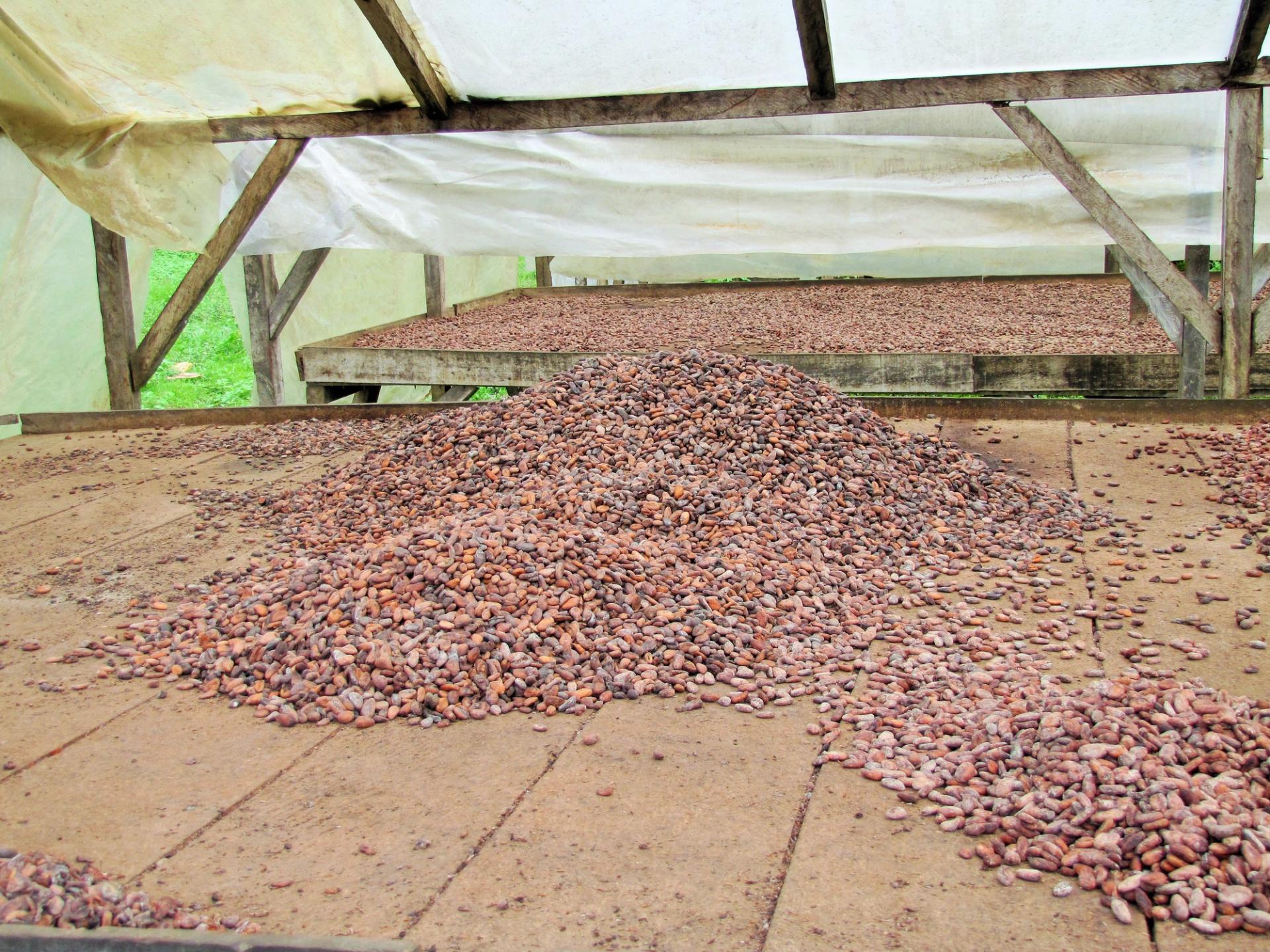
Cameroon has recently been highlighted for its exceptional performance in the cocoa sector. According to recent reports, raw cocoa has become the top source of foreign currency for the country, surpassing oil in 2025 (source: La Tribune). This evolution is the result of a combination of factors, including increased export volumes and a growing global demand for high-quality cocoa.
Cocoa and Coffee Prices in Cameroon
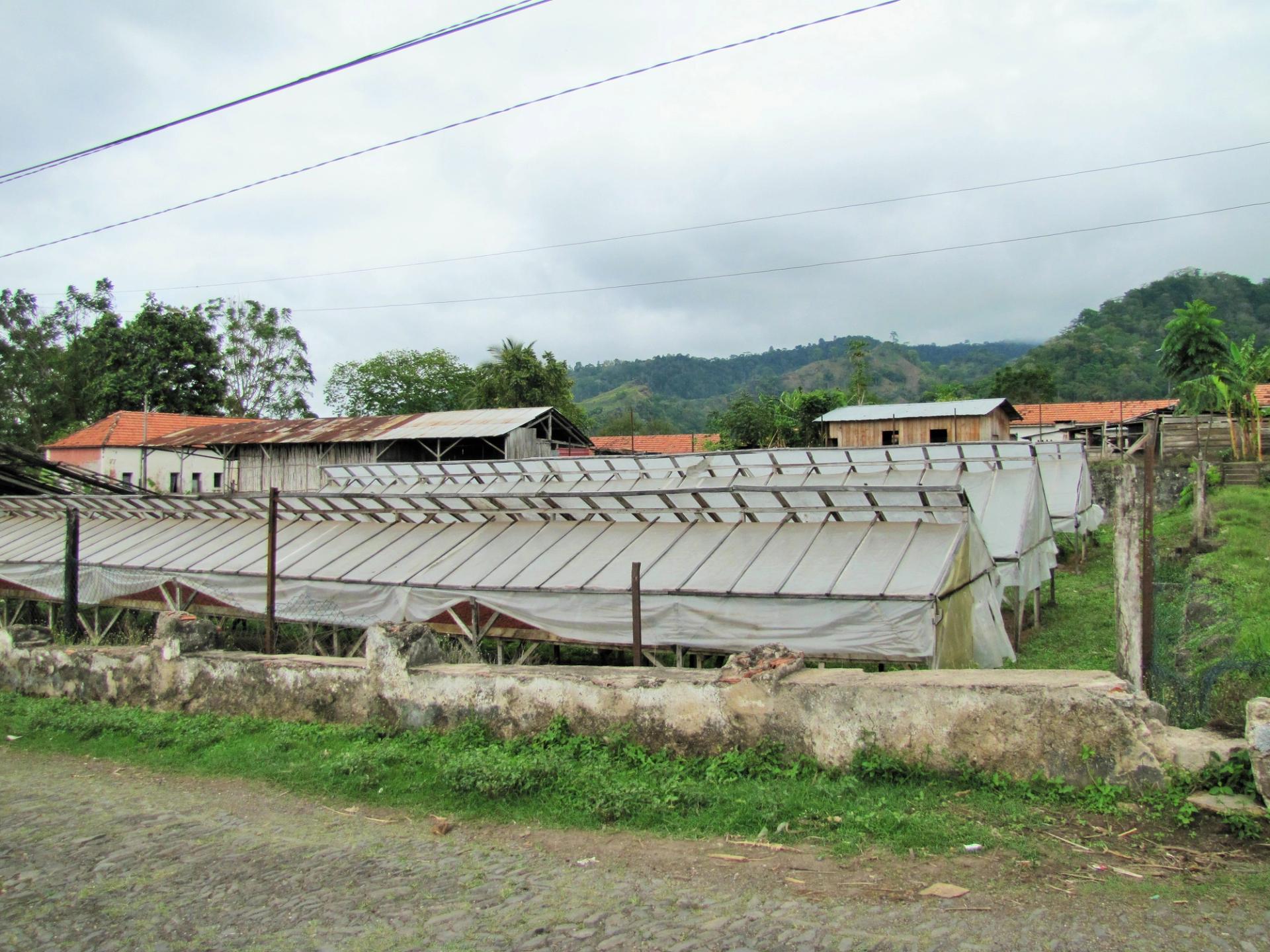
Cocoa prices in Cameroon, according to ONCC, are currently set at 3,162 FCFA/kg CIF and 3,084 FCFA/kg FOB. Regarding coffee, the price of Arabica is 3,778 FCFA/kg CIF and 3,631 FCFA/kg FOB, while Robusta is at 2,047 FCFA/kg CIF and 1,940 FCFA/kg FOB (source: ONCC). These prices reflect a market dynamic that could be influenced by global trends and climatic conditions.
Impact on Cocoa Derivatives
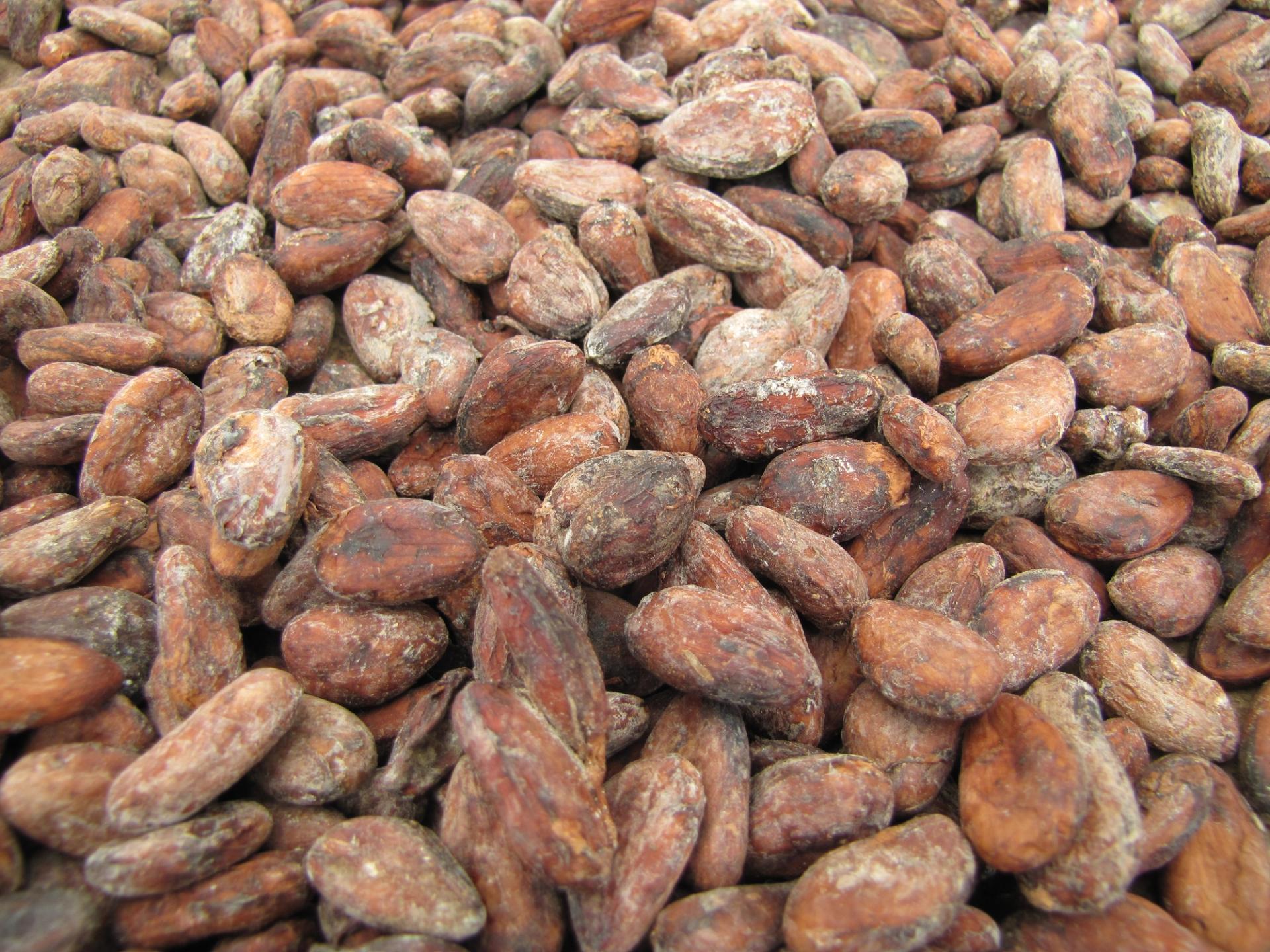
With this rise of cocoa, derivatives such as cocoa butter, powder, and cocoa mass/liquor are also gaining importance. Cameroonian producers are looking to diversify their offerings to meet the growing demand in international markets. Companies like Barry Callebaut and Cargill are investing in technologies to improve the quality and sustainability of cocoa production, which could positively impact prices and export volumes (source: Confectionery News).
Preparation for EUDR Regulation
In preparation for the EU Deforestation Regulation (EUDR), Cameroon is implementing measures to ensure that its cocoa products meet sustainability requirements. While compliance cannot be guaranteed at this stage, the country is actively working to establish traceability and sustainability systems for its cocoa supply chains (source: EUDR Commission).
Conclusion
In conclusion, Cameroon's position as a leader in the cocoa sector is strengthened by a growing global demand and efforts to improve sustainability. Producers must continue to adapt to market requirements while addressing the challenges posed by international regulation.
Get the daily market brief
Cocoa, coffee and EUDR insights in your inbox.
→ Get the daily market brief