Cocoa
Cocoa and Other Derivatives: Cameroon Export Earnings Exceed 460 Billion FCFA
By GOLDEN BEANS · 3 October 2026 · 3 min read

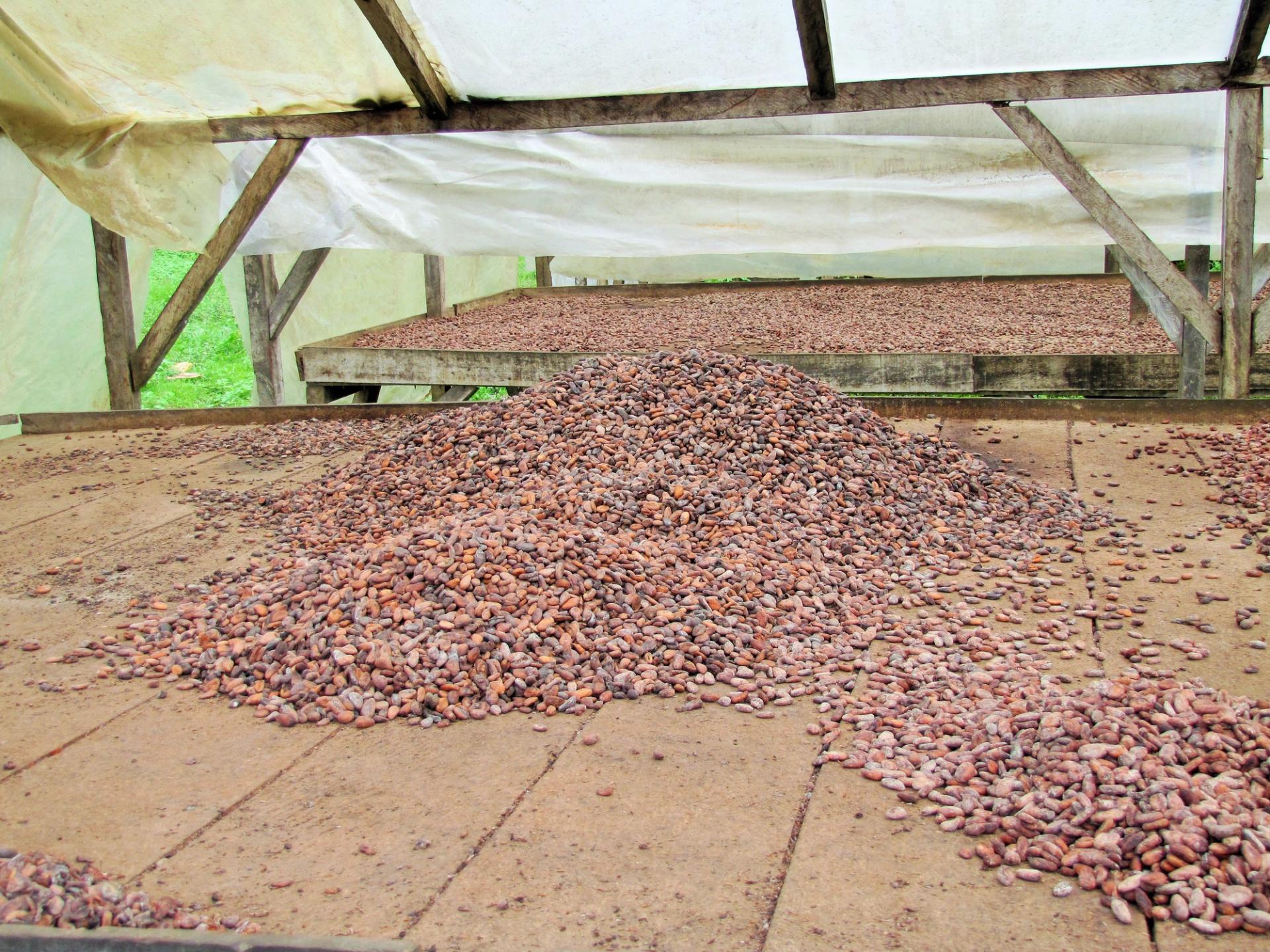
Economic Context Cocoa and other derivatives exports in Cameroon have generated over 460 billion FCFA for the state, according to official sources. This figure underscores the growing importance of the cocoa sector in the Cameroonian economy, which continues to develop despite regulatory and environmental challenges.
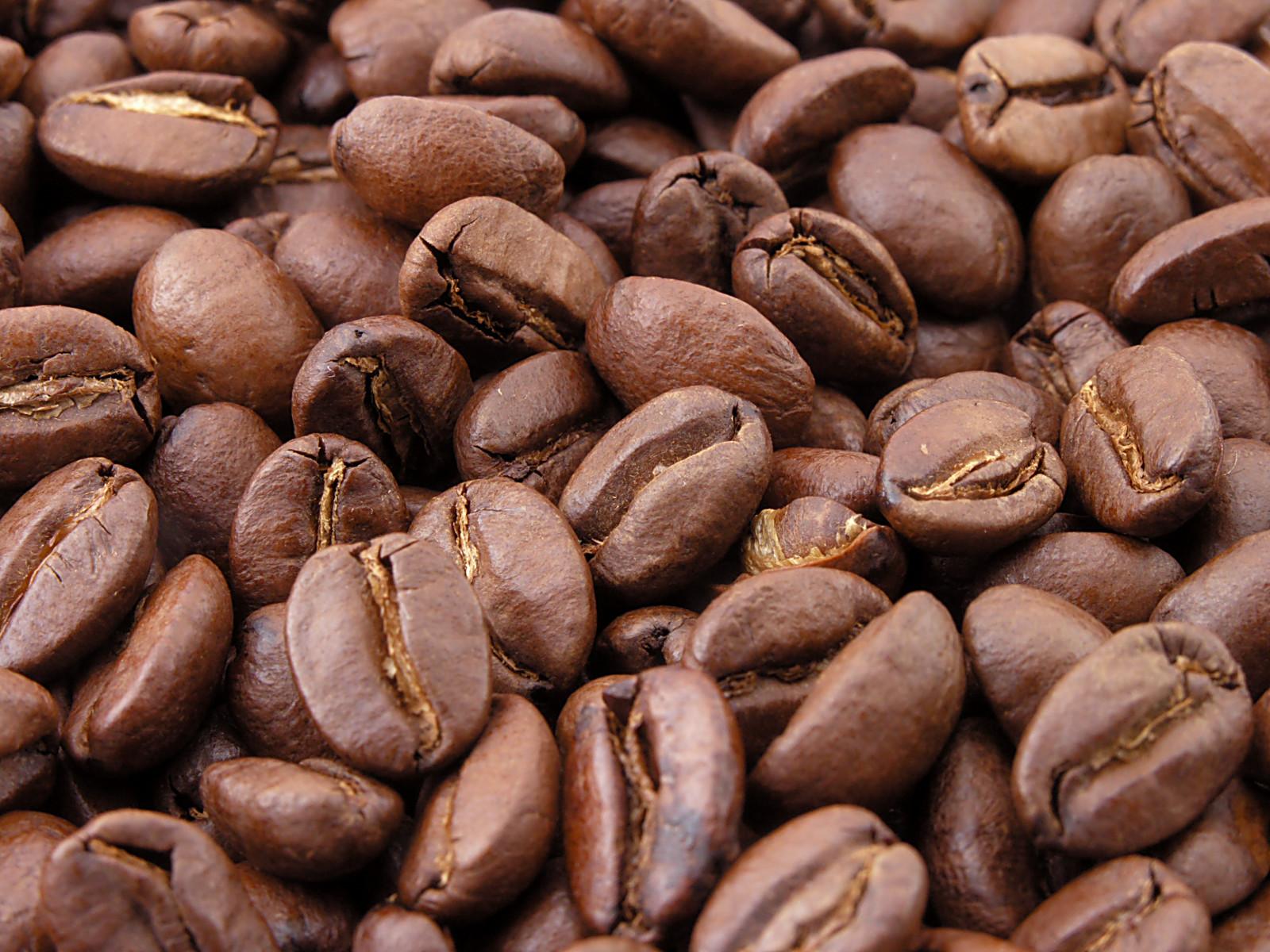
Market Prices Currently, the prices for cocoa beans in Cameroon are as follows: 3162 FCFA/kg (CIF) and 3084 FCFA/kg (FOB) according to ONCC data. For coffee, the price of arabica is 3778 FCFA/kg (CIF) and 3631 FCFA/kg (FOB), while robusta is priced at 2047 FCFA/kg (CIF) and 1940 FCFA/kg (FOB). These prices reflect market trends and seasonal fluctuations.
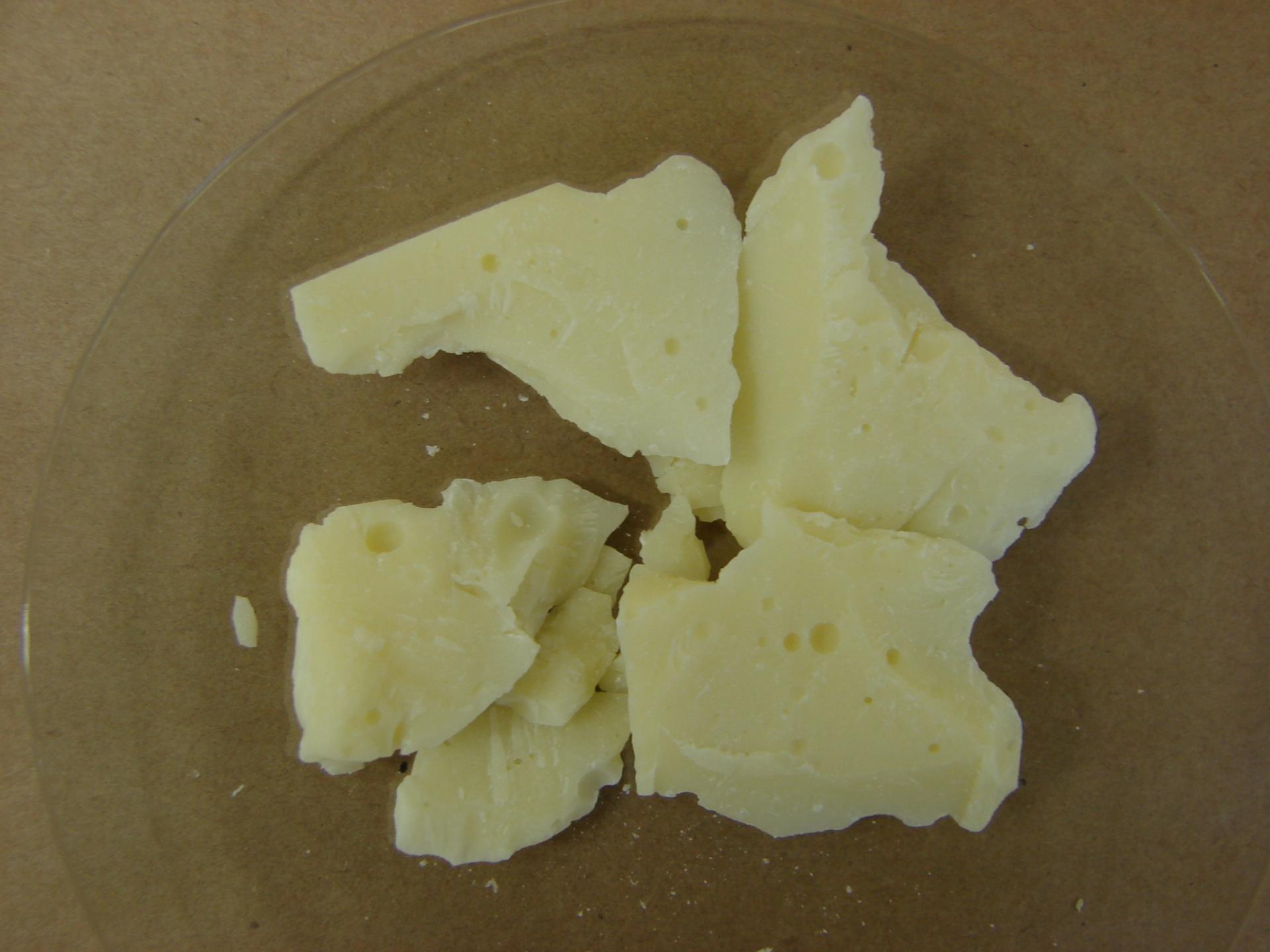
Situation in West Africa and Cameroon Cameroon positions itself as a key player in the cocoa sector in West Africa, with initiatives aimed at improving the quality and sustainability of products. Challenges related to compliance requirements, particularly the EU Deforestation Regulation, continue to concern small producers. Reports indicate that small cocoa producers are worried about new European requirements that could affect their market access (source: RFI).
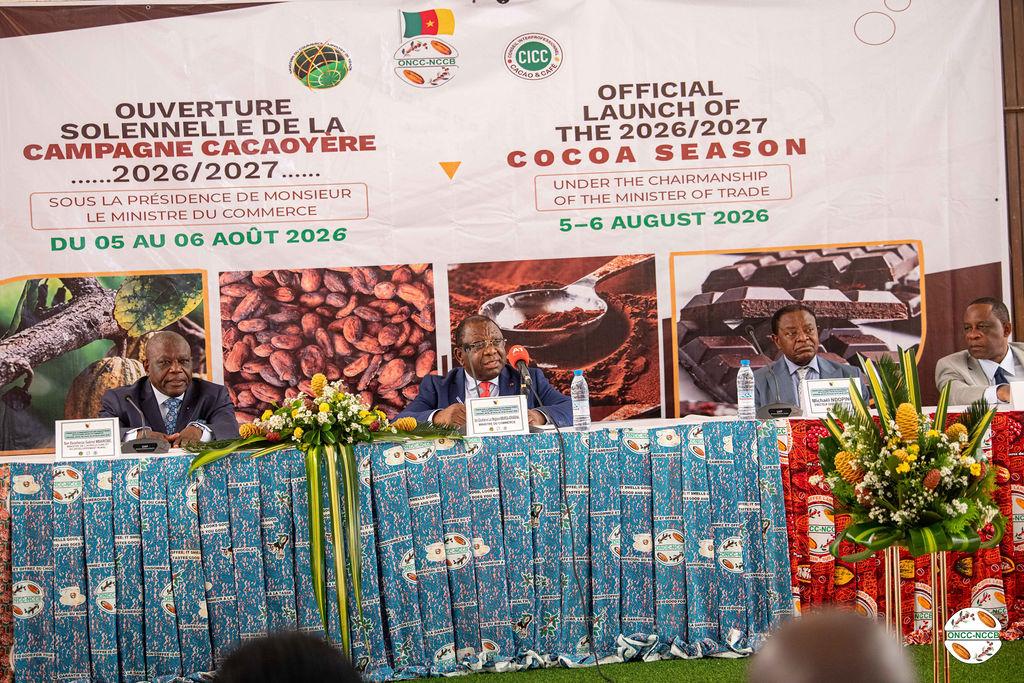
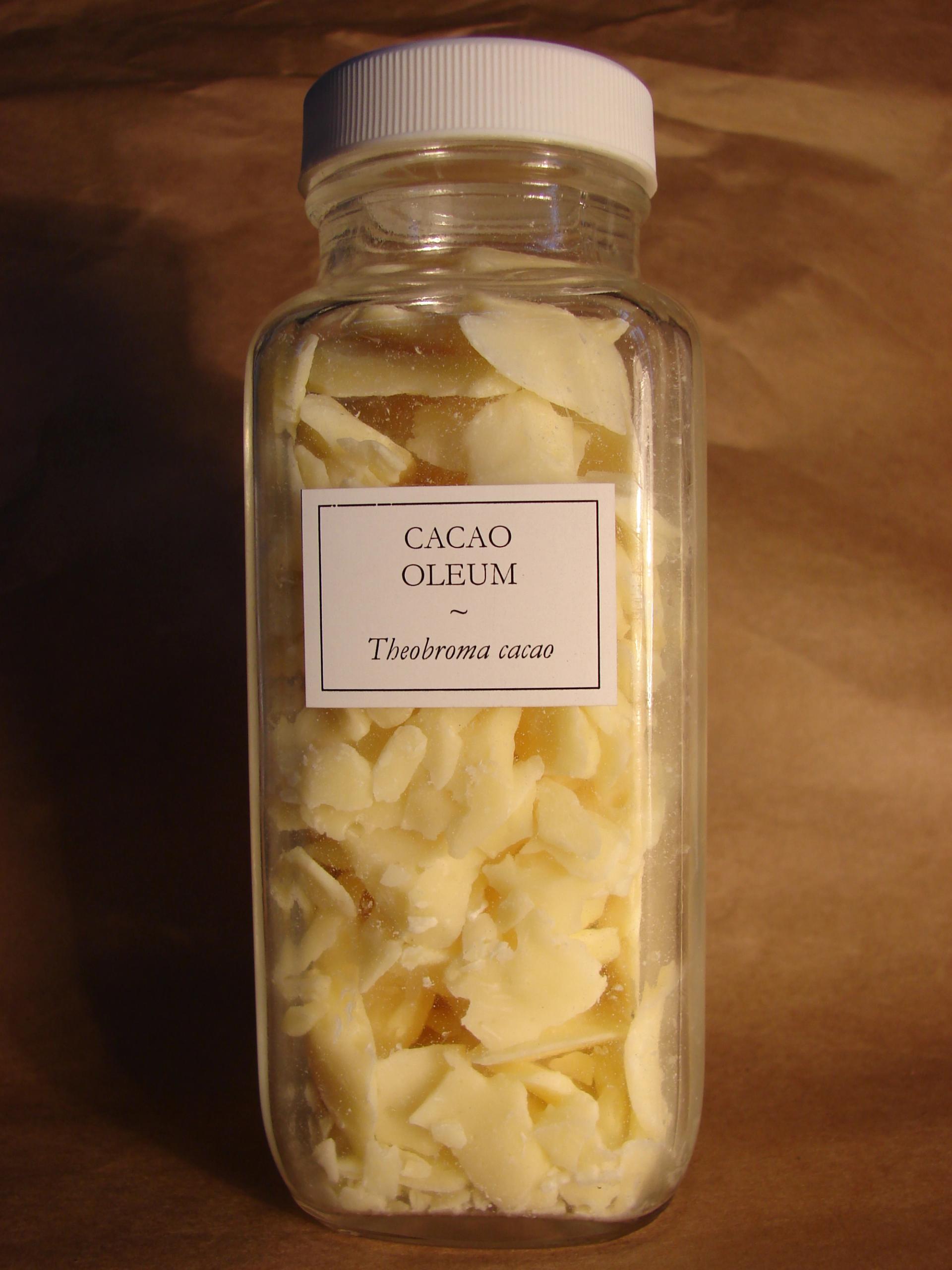
Derivatives and Coffee Regarding derivatives, cocoa butter and cocoa mass are also important export products. The global market continues to show growing interest in these products, with demand remaining strong despite price fluctuations. Local processors are looking to increase their production capacity to meet this growing demand.
Regulation and EUDR Cameroon is actively working on its documentation preparation to meet the requirements of the EU Deforestation Regulation. While specific details on compliance are not yet available, industry stakeholders are in discussions to ensure that Cameroonian products can access European markets without hindrance (source: ONCC).
Conclusion The cocoa and coffee sector in Cameroon is at a turning point, with significant growth opportunities. However, regulatory and environmental challenges require ongoing attention to ensure the sustainability and competitiveness of Cameroonian products in the international market.
Get the daily market brief
Cocoa, coffee and EUDR insights in your inbox.
→ Get the daily market brief