Cameroon: As European Requirements Approach, the Cocoa Sector Seeks to Adapt
By GOLDEN BEANS · 10 September 2026 · 3 min read
Current Context of the Cocoa Sector in Cameroon
Cameroon is at a critical turning point as it strives to meet the new European Union requirements regarding traceability and sustainability of agricultural products, particularly cocoa. According to a report by Sika Finance, stakeholders in the cocoa sector are organizing to adapt to these new standards, which could significantly impact exports and the competitiveness of Cameroonian cocoa in the international market (source: Sika Finance).
Cocoa Prices and Market Trends
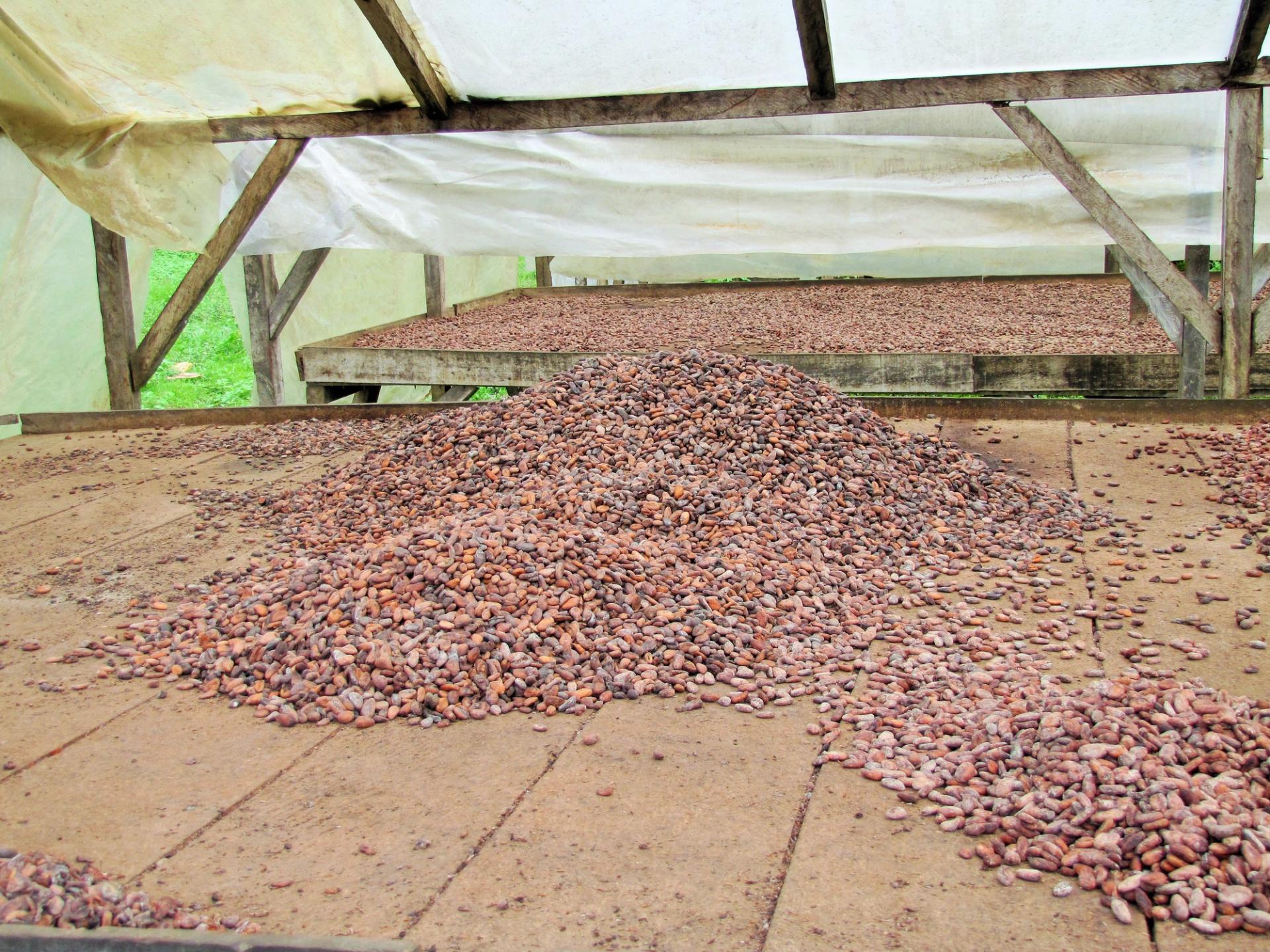
Currently, the price of cocoa beans in Cameroon is estimated at around 3000 FCFA per kilogram, marking a slight increase compared to previous seasons (source: Investir au Cameroun). Meanwhile, international prices, as quoted on ICE London, stand at £4108/T, recording a decrease of 0.96% (source: ICE).
Situation in West Africa and Cameroon
The cocoa sector in Cameroon is facing a 13% decline in processing capacity, raising concerns about sustainability and profitability of farms (source: Business in Cameroon). Producers, particularly in the Southwest, are adapting to EU regulations while demanding fair prices for their products (source: Global Voices en Français).
Cocoa Derivatives and Coffee
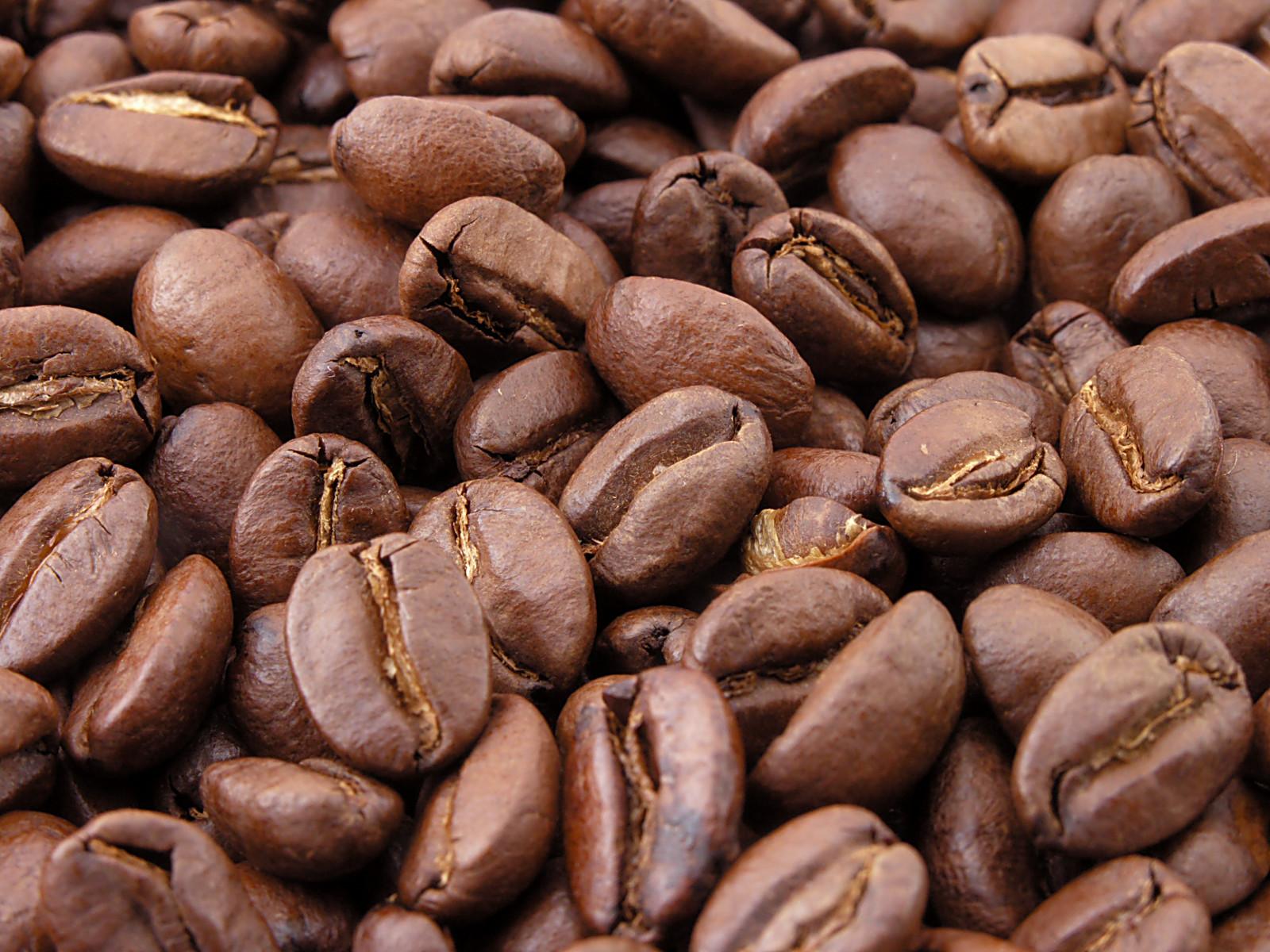
Regarding derivatives, cocoa butter and cocoa mass are key products for processors. Prices for these products can vary based on bean quality and production costs. The coffee market, on the other hand, remains dynamic with arabica priced at 3881 FCFA/kg and robusta at 1786 FCFA/kg (source: ONCC).
Responses to Regulatory Requirements
Cocoa producers in Cameroon are intensifying their efforts to comply with EUDR requirements, but this necessitates significant investments in training and infrastructure. Discussions around implementing these standards are essential to ensure that small producers are not left behind in this transition (source: EUDR Commission).
Conclusion
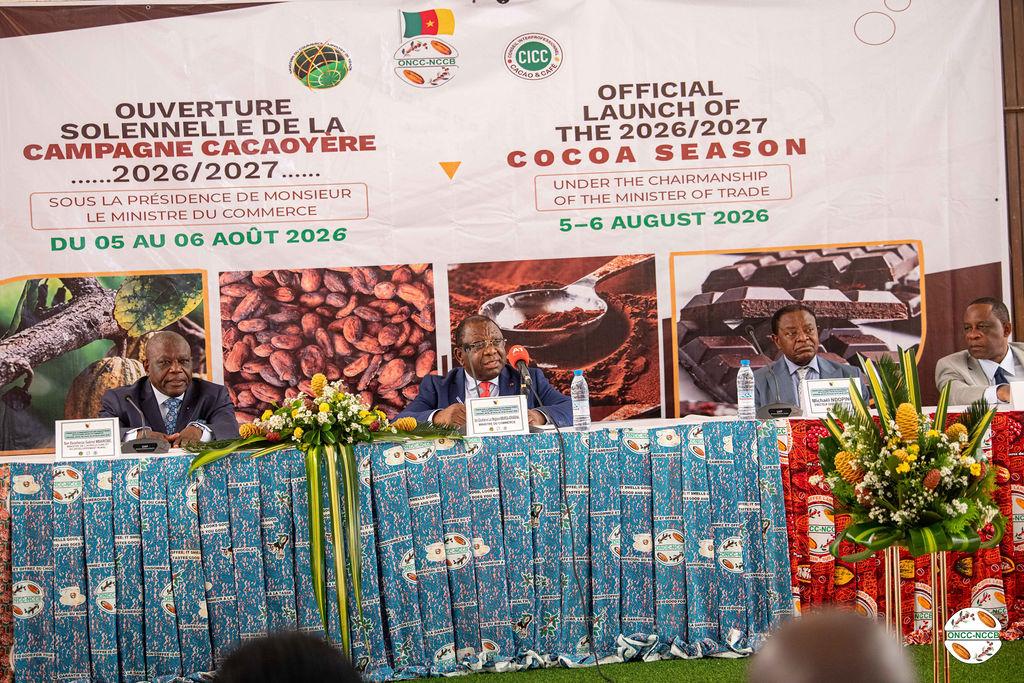
As Cameroon prepares for the 2026-2027 season, the need for a collaborative approach between producers, processors, and authorities is crucial to navigate this evolving landscape. The cocoa sector must not only adapt to regulatory requirements but also ensure the quality and sustainability of its products to remain competitive in the global market.
Get the daily market brief
Cocoa, coffee and EUDR insights in your inbox.
→ Get the daily market brief