Cameroon: CICC General Assembly Addresses Cocoa Sector Challenges
By GOLDEN BEANS · 25 September 2026 · 3 min read
CICC General Assembly: Towards Better Structuring of the Cocoa Sector
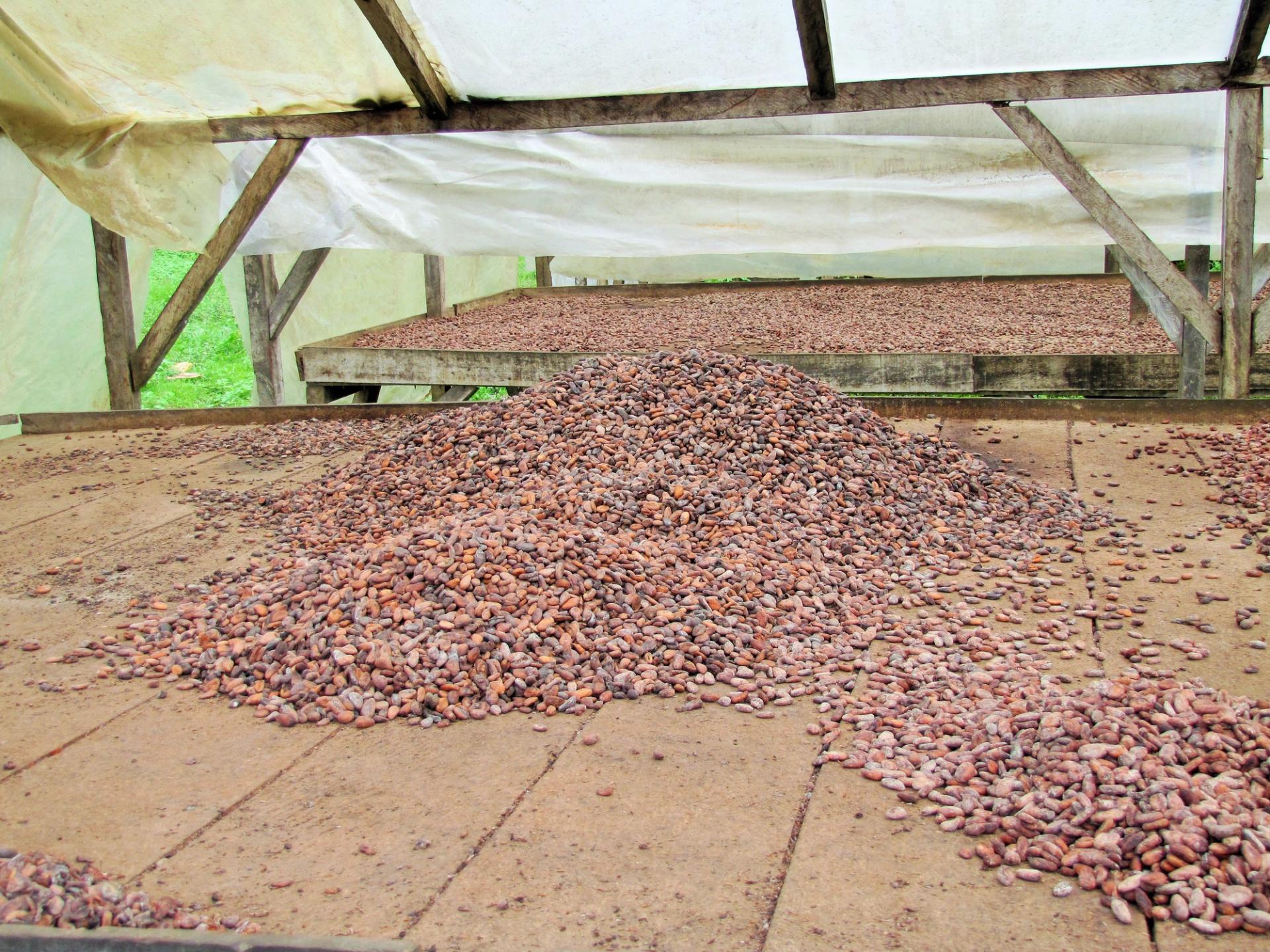
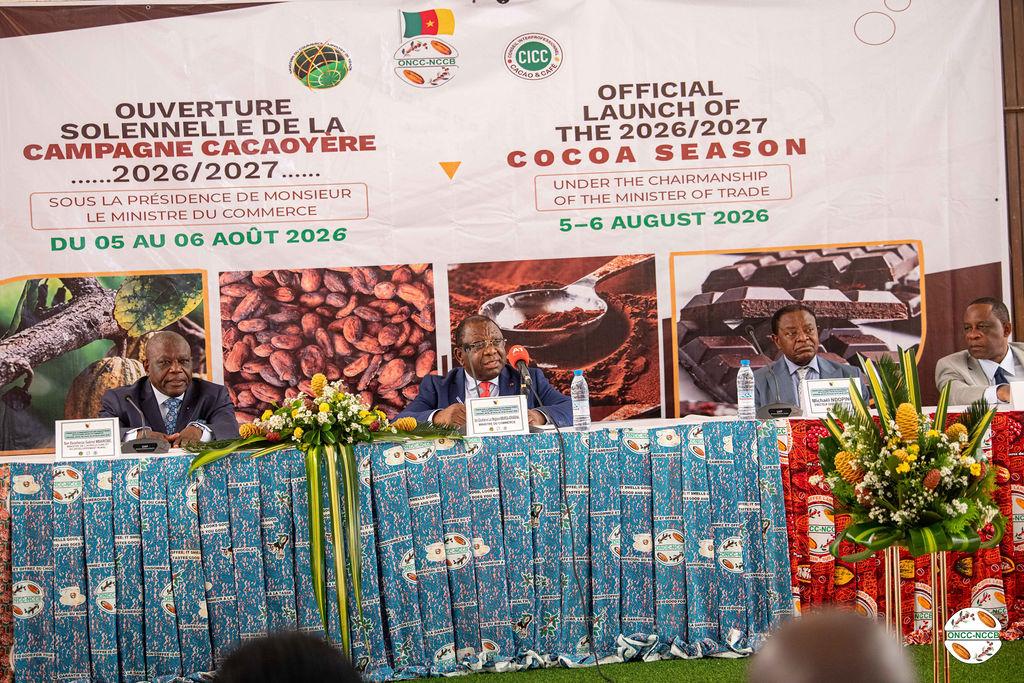
The General Assembly of the Interprofessional Council of Cocoa and Coffee (CICC) recently took place, addressing crucial subjects for the future of the cocoa sector in Cameroon. This gathering allowed for discussions on the challenges faced by producers, notably the need to improve bean quality and ensure fair remuneration for farmers. The Minister of Commerce emphasized the importance of collaboration among various stakeholders in the value chain to enhance the competitiveness of Cameroonian cocoa in the international market (source: mincommerce.gov.cm).
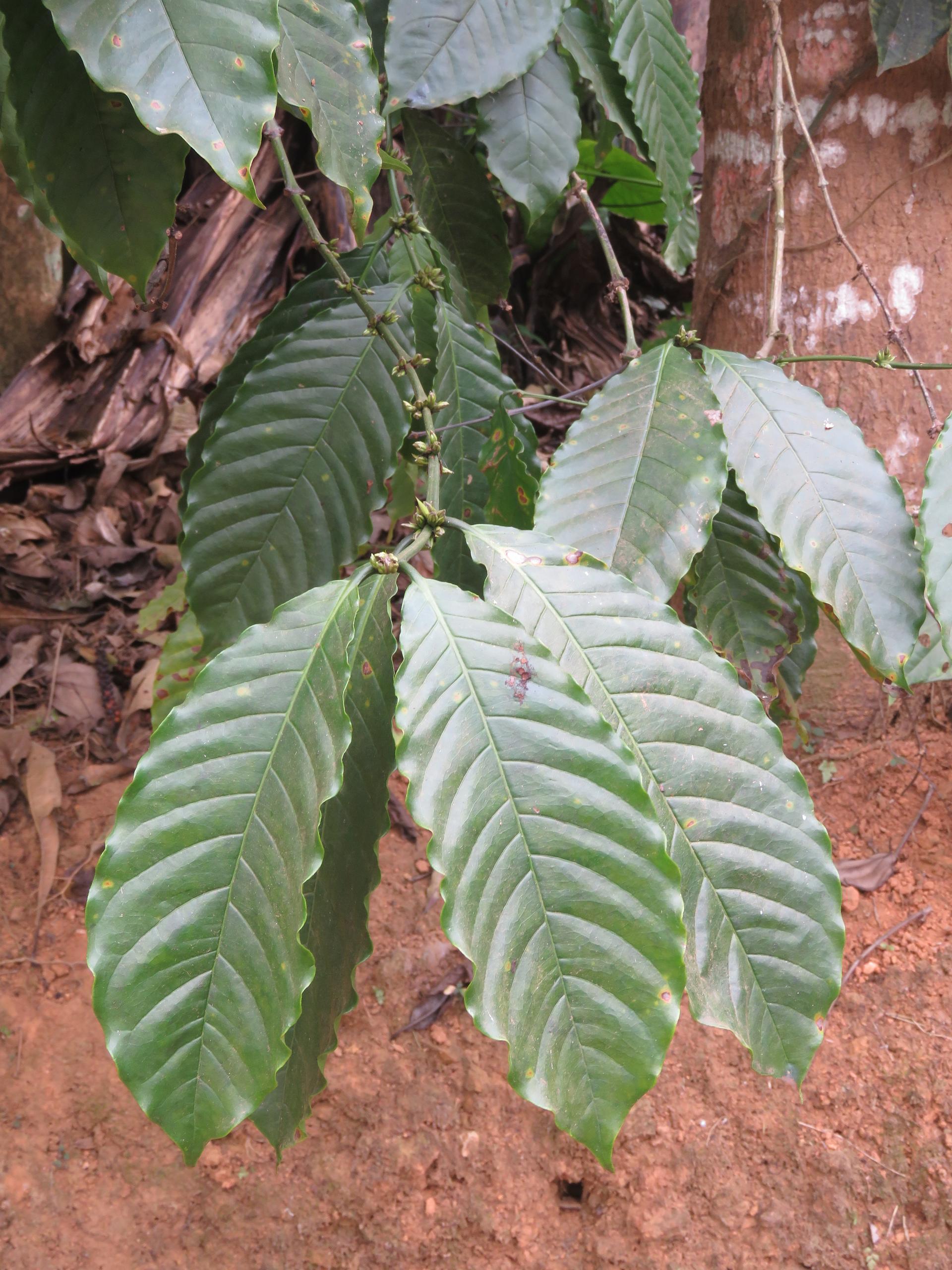
Cocoa Prices in Cameroon
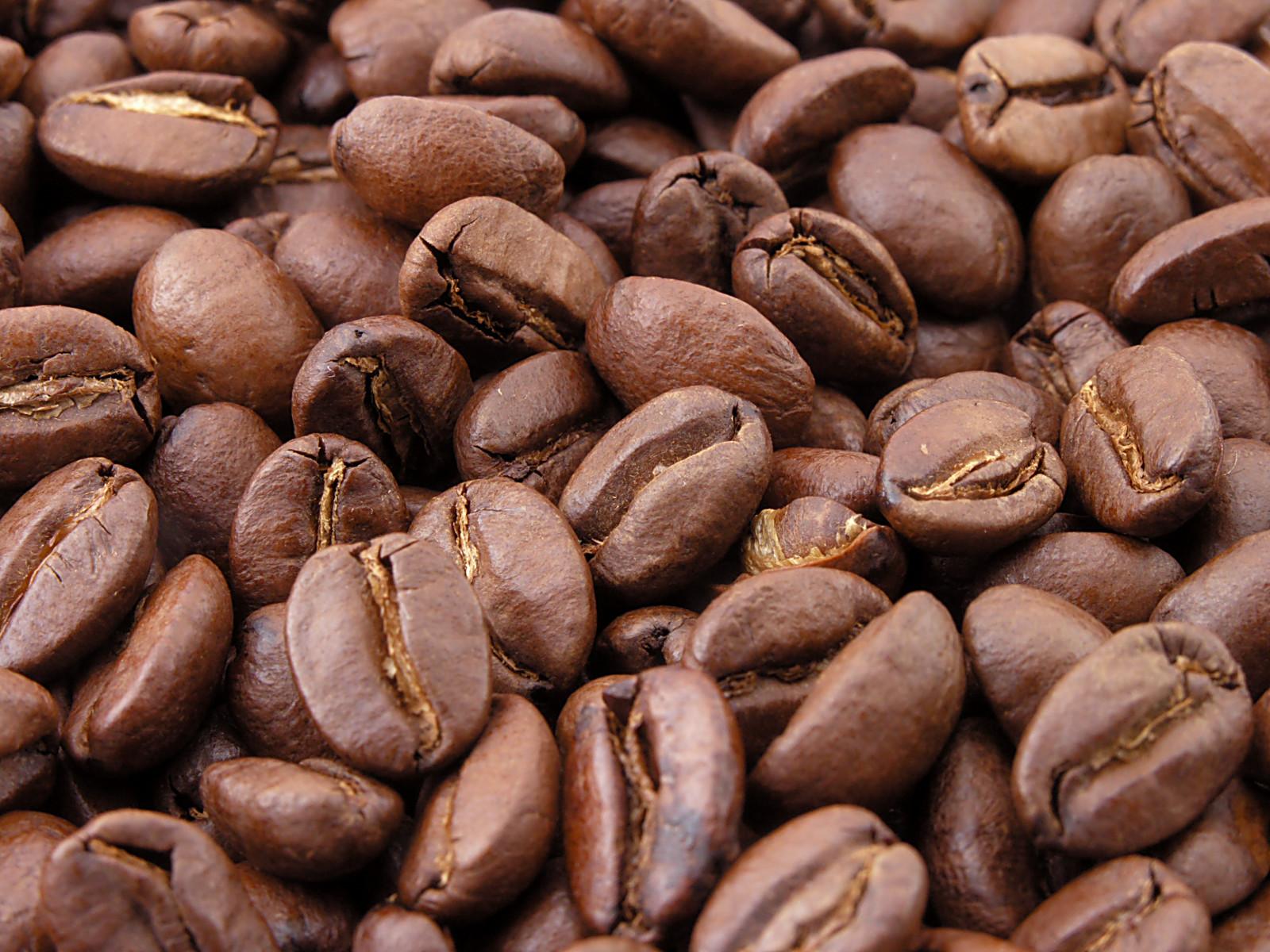
Currently, cocoa prices in Cameroon are as follows: - Cocoa: 3,201 FCFA/kg CIF, 3,123 FCFA/kg FOB (source: ONCC) - Arabica Coffee: 3,509 FCFA/kg CIF, 3,369 FCFA/kg FOB - Robusta Coffee: 1,896 FCFA/kg CIF, 1,792 FCFA/kg FOB
These prices reflect a market dynamic where Cameroon continues to position itself as a key player in West Africa, despite increased competition from Côte d'Ivoire and Ghana. The prices for cocoa beans in Cameroon remain higher than those of its neighbors, which could attract more investments into the sector (source: ONCC).
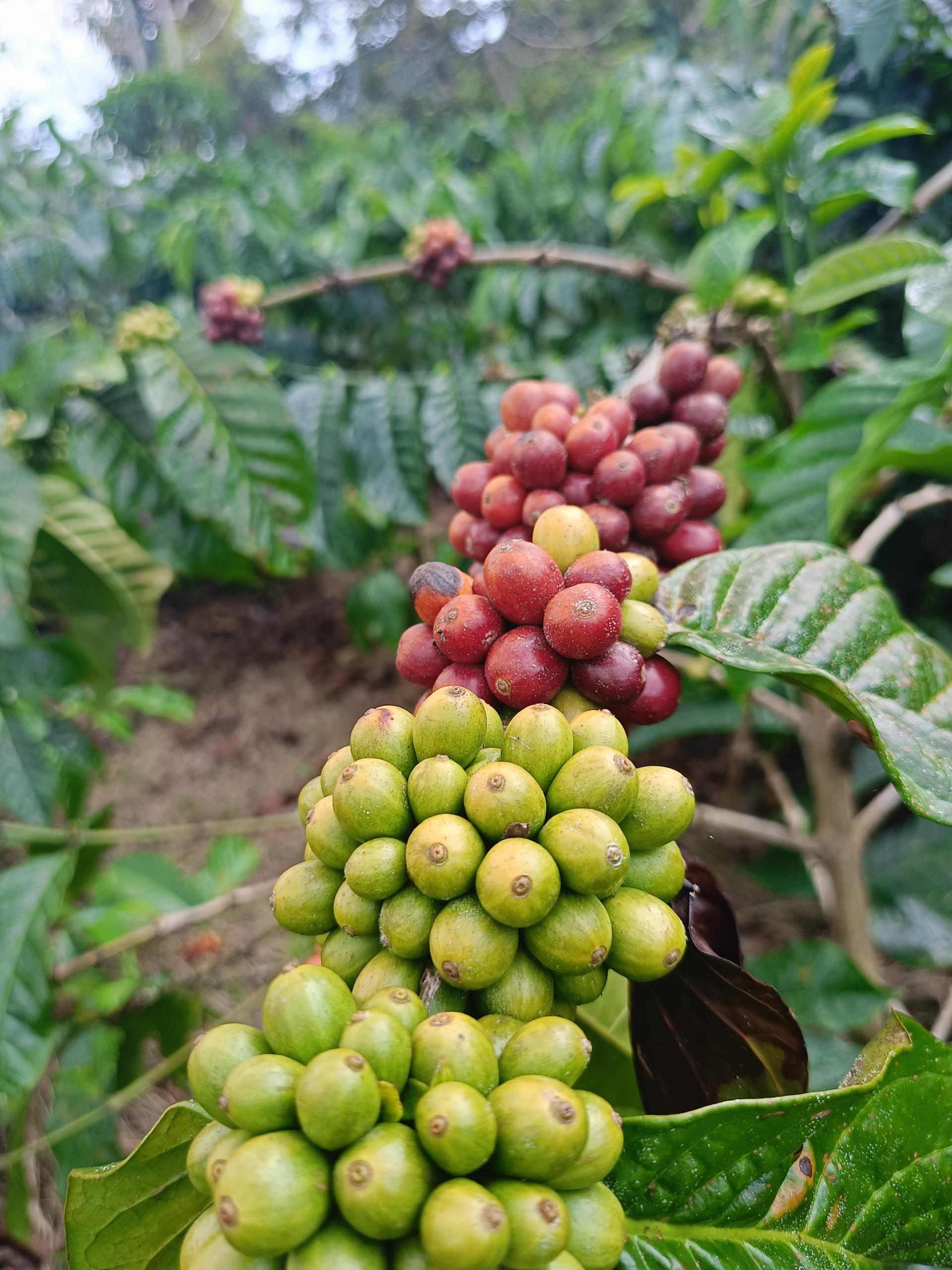
Cocoa Derivatives: Perspectives and Challenges
Regarding cocoa derivatives, the market for cocoa butter and cocoa mass/liquor is also evolving. Local processors are seeking to increase their production capacity to meet the growing demand, both in the domestic and international markets. However, bean quality remains a major issue, especially with the implementation of regulations such as the EU Deforestation Regulation (EUDR), which imposes strict standards for exports (source: Commission EUDR).
Regulation and Compliance
Cameroon is actively preparing to meet the requirements of the EUDR, which aims to ensure that exported products do not contribute to deforestation. While the country has made progress in terms of traceability, there are still challenges to ensure compliance across the entire supply chain (source: Commission EUDR).
In conclusion, the CICC General Assembly highlighted the challenges and opportunities facing the Cameroonian cocoa sector. With strengthened collaboration among sector stakeholders and increased attention to quality and sustainability, Cameroon could consolidate its position in the global cocoa market.
Get the daily market brief
Cocoa, coffee and EUDR insights in your inbox.
→ Get the daily market brief