Cocoa
Cocoa: TriLinc Values Its Production at Only 7.26 Billion FCFA - Impact on the Cameroonian Market
By GOLDEN BEANS · 30 September 2026 · 3 min read
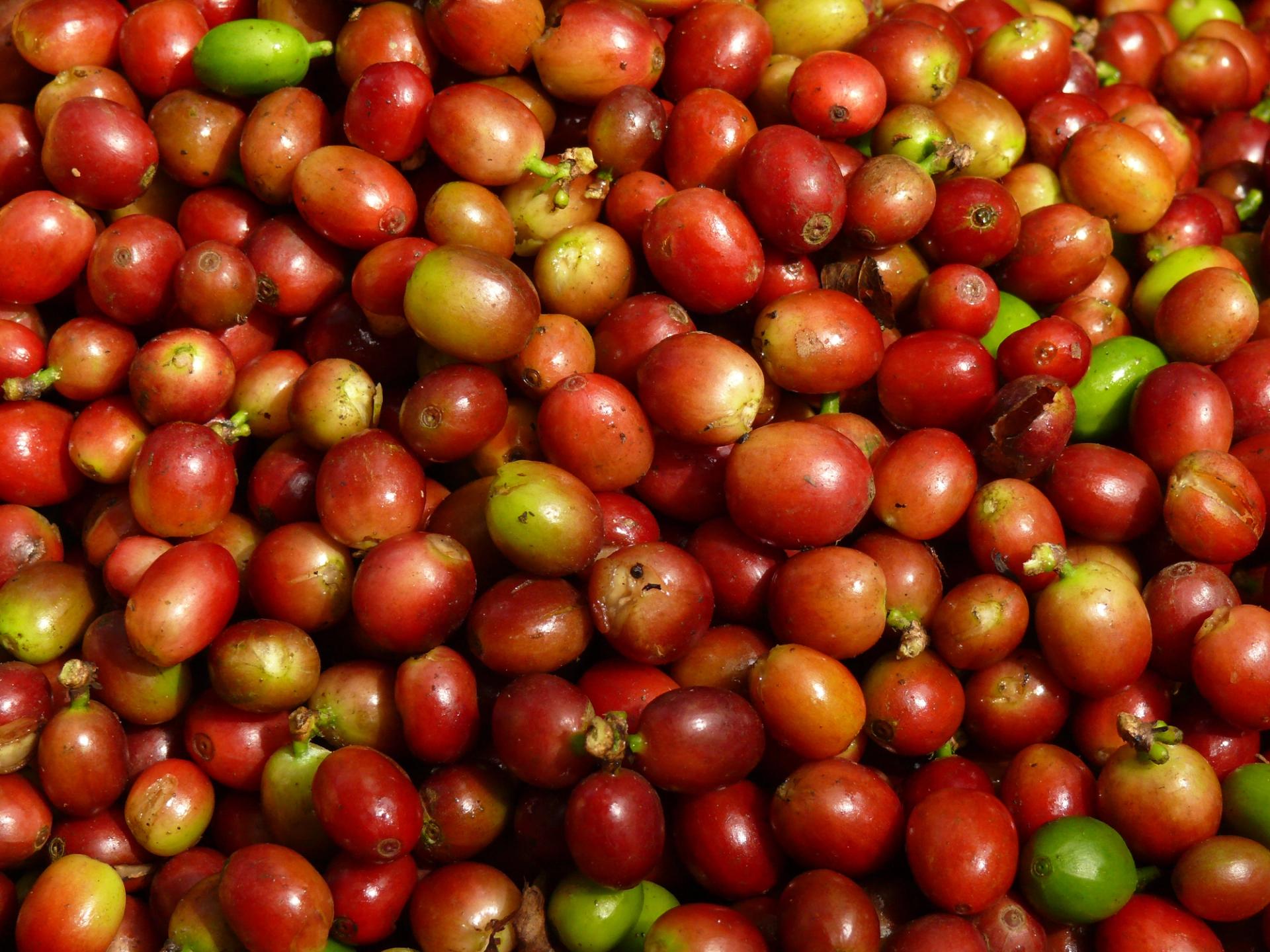
Context of the Day The Cameroonian cocoa market is facing increasing challenges as TriLinc, a major investor in the sector, recently announced a valuation of its cocoa production at only 7.26 billion FCFA. This announcement comes at a time when cocoa producers in Cameroon are worried about the impacts of new European requirements, particularly regarding sustainability and traceability (source: Jeune Afrique).
This situation is exacerbated by adverse climatic conditions, with heavy rains threatening the harvest. Local producers, already facing fluctuating prices, fear that this valuation may be a precursor to economic difficulties ahead for the sector (source: Investir au Cameroun).
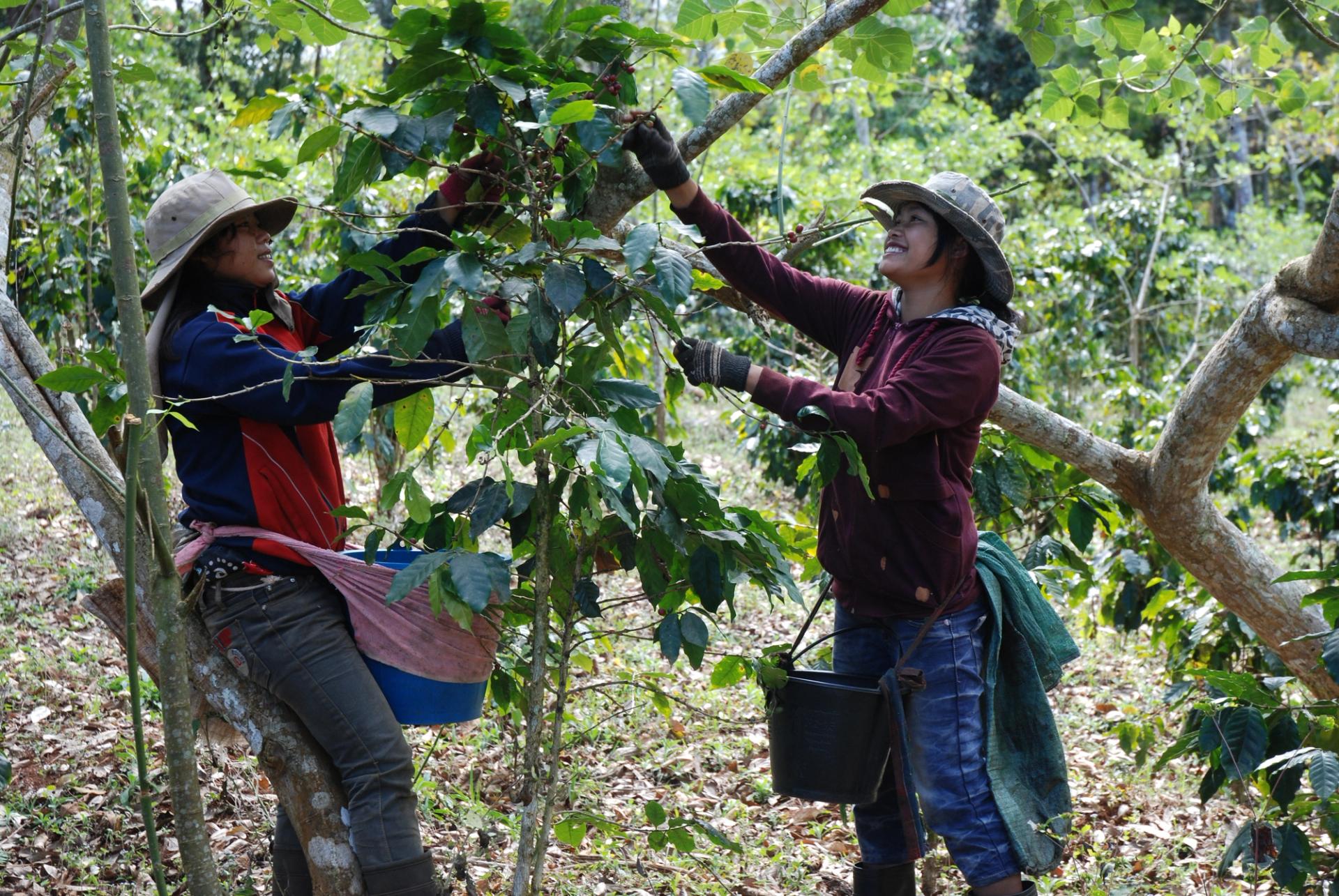
Prices Golden Beans / ICE / ONCC Currently, cocoa prices in Cameroon are as follows: 3227 FCFA/kg CIF and 3149 FCFA/kg FOB, with a minimum purchase price of 2700 FCFA/kg and a maximum of 2750 FCFA/kg (source: ONCC). Arabica coffee prices are at 3637 FCFA/kg CIF and 3529 FCFA/kg FOB, while robusta is at 1955 FCFA/kg CIF and 1850 FCFA/kg FOB.
Situation in West Africa West Africa, particularly Ivory Coast and Ghana, continues to be a key player in the global cocoa market. Forecasts indicate a decline in production due to extreme weather conditions, which could influence prices on a global scale (source: Financial Afrik). Cocoa producers in Ivory Coast have also expressed similar concerns regarding sustainability and the traceability requirements imposed by the European Union.
Derivatives and Coffee Regarding cocoa derivatives, the demand for cocoa butter and cocoa mass remains stable, although fluctuations in bean prices may influence production costs. Coffee processors, on the other hand, report increased pressure on prices due to the growing demand for high-quality coffee products, particularly arabica, which has seen its price rise recently (source: Business in Cameroon).
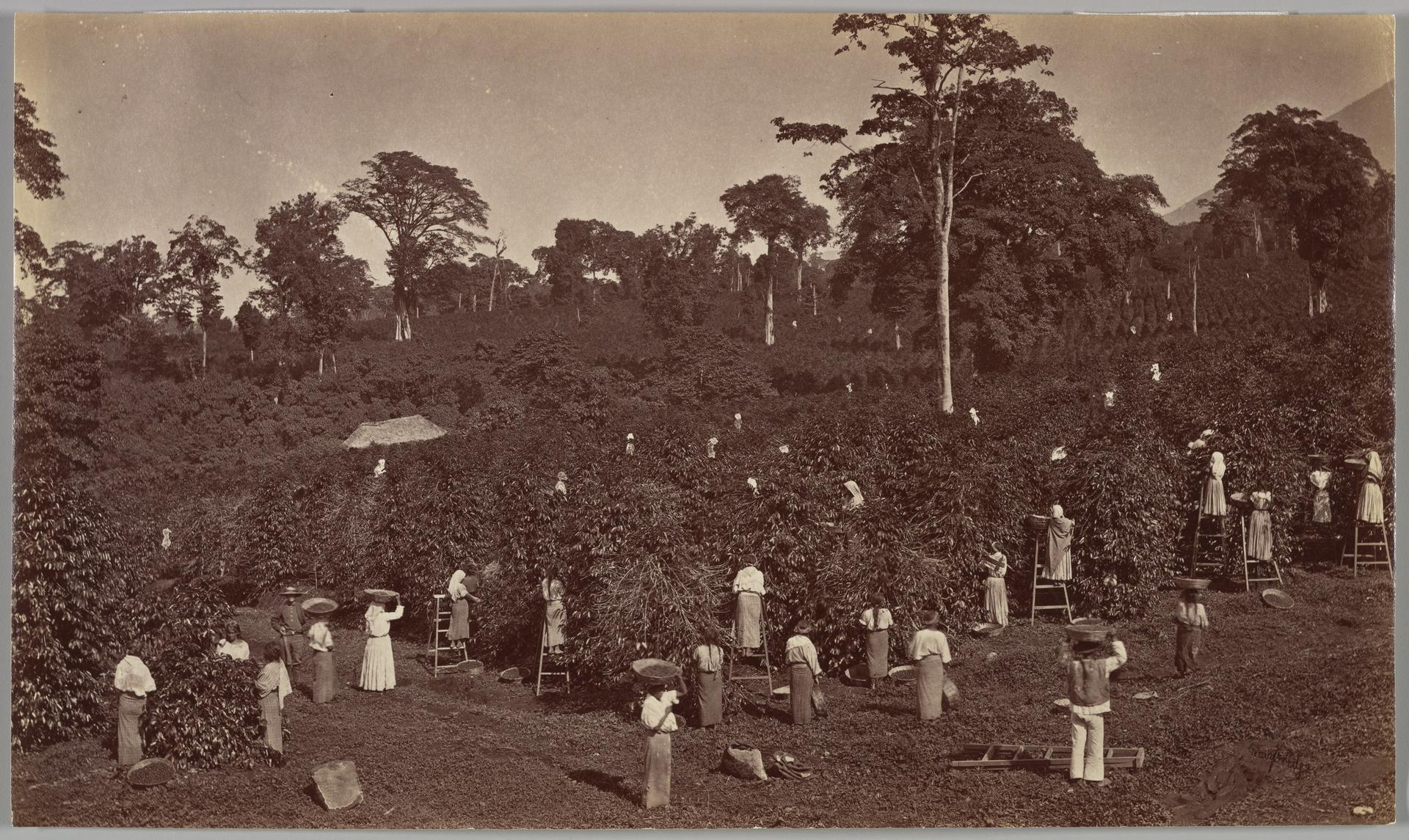
EUDR and Regulation Preparations for the EU Deforestation Regulation (EUDR) are underway in Cameroon, with discussions on how to ensure that exported products meet these new standards. Local producers are encouraged to comply with sustainability requirements to maintain access to the European market (source: Commission EUDR). This situation underscores the importance of adequate documentation and transparency in the supply chain for market players.
In conclusion, TriLinc's valuation and climatic challenges pose crucial questions for the future of cocoa in Cameroon. Producers must navigate a rapidly evolving market environment while adapting to increasing sustainability and traceability requirements.
Get the daily market brief
Cocoa, coffee and EUDR insights in your inbox.
→ Get the daily market brief