Smallholders and the European Union Deforestation Regulation
By GOLDEN BEANS · 25 August 2026 · 3 min read
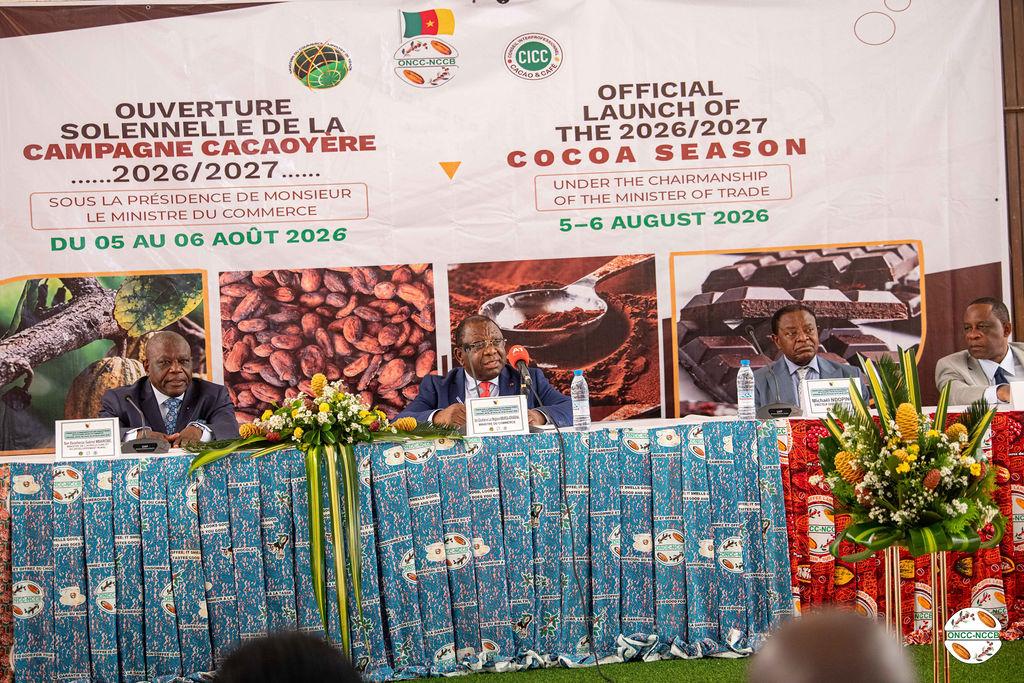
The European Union Deforestation Regulation and Its Impact on Cocoa Producers
The European Union Deforestation Regulation (EUDR) has become a central topic for cocoa producers, especially for smallholders who represent a significant share of production in Cameroon. This regulation aims to ban the import of products linked to deforestation, meaning that producers must now prove that their cocoa is produced sustainably. This presents a major challenge for smallholders who often lack the necessary resources to comply with the complex documentation requirements.
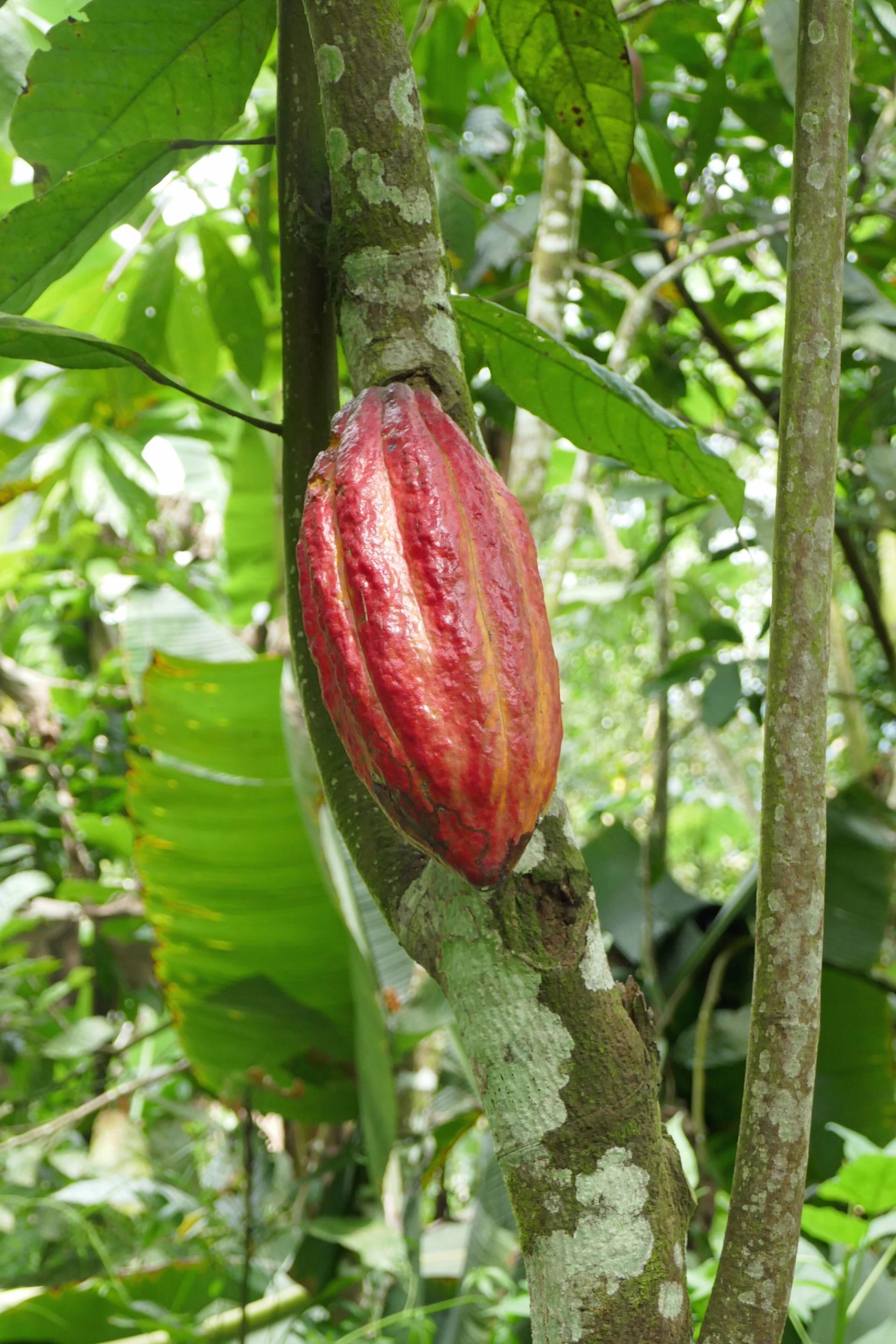
Smallholders must quickly adapt to these new standards to avoid losing access to European markets. Document preparation is essential to demonstrate the traceability and sustainability of their production. This includes establishing monitoring and certification systems that can be costly and difficult to manage without adequate support.
Current Price Situation of Cocoa and Coffee in Cameroon
Regarding prices, the cocoa market has seen a slight decline, with cocoa priced at 4240 £ / T on ICE London, representing a decrease of 0.7% from the previous period (source: ICE). For coffee, FOB ONCC prices remained stable, with arabica at 1940 FCFA/KG and robusta at 3214 FCFA/KG (source: ONCC). These stable prices are a positive factor for producers, but they must also navigate an increasingly complex market environment.
Challenges and Opportunities for the Cocoa Sector
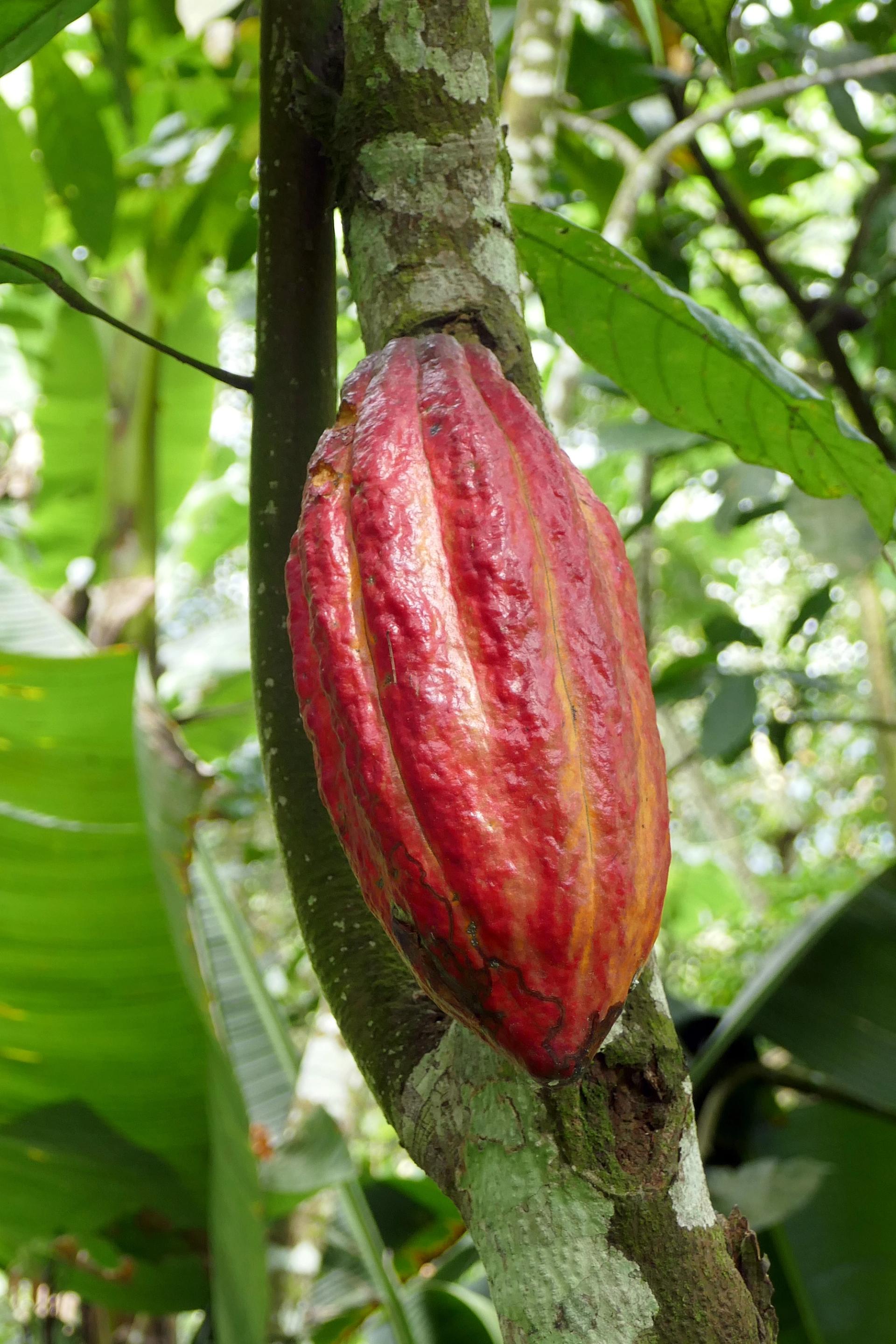
The EUDR represents both a challenge and an opportunity for the cocoa sector in Cameroon. On one hand, compliance requirements may seem overwhelming for small producers. On the other hand, the emphasis on sustainability could open new avenues for Cameroonian cocoa in the international market, especially if producers succeed in demonstrating the sustainability of their farming practices.
Initiatives aimed at improving sustainability and meeting EUDR requirements are essential. Governmental and non-governmental organizations, as well as private sector actors, need to collaborate to provide the training and support necessary for smallholders. This includes education on sustainable agricultural practices and assistance in preparing the required documentation to prove compliance.
Conclusion
In conclusion, the European Union Deforestation Regulation represents a turning point for the cocoa sector in Cameroon. Smallholders must adapt to these requirements to remain competitive in the global market. With adequate support, it is possible for Cameroon to strengthen its position as a supplier of sustainable cocoa in the European market. This transition towards more sustainable practices could also benefit the environment and local ecosystems while ensuring the economic viability of producers.
(source: International Institute for Sustainable Development; source: ONCC)
Get the daily market brief
Cocoa, coffee and EUDR insights in your inbox.
→ Get the daily market brief