Côte d'Ivoire and Ghana: Cocoa Revival Strategies Amid Climate Challenges
By GOLDEN BEANS · 18 October 2026 · 3 min read
Côte d'Ivoire and Ghana: Cocoa Revival Strategies Amid Climate Challenges
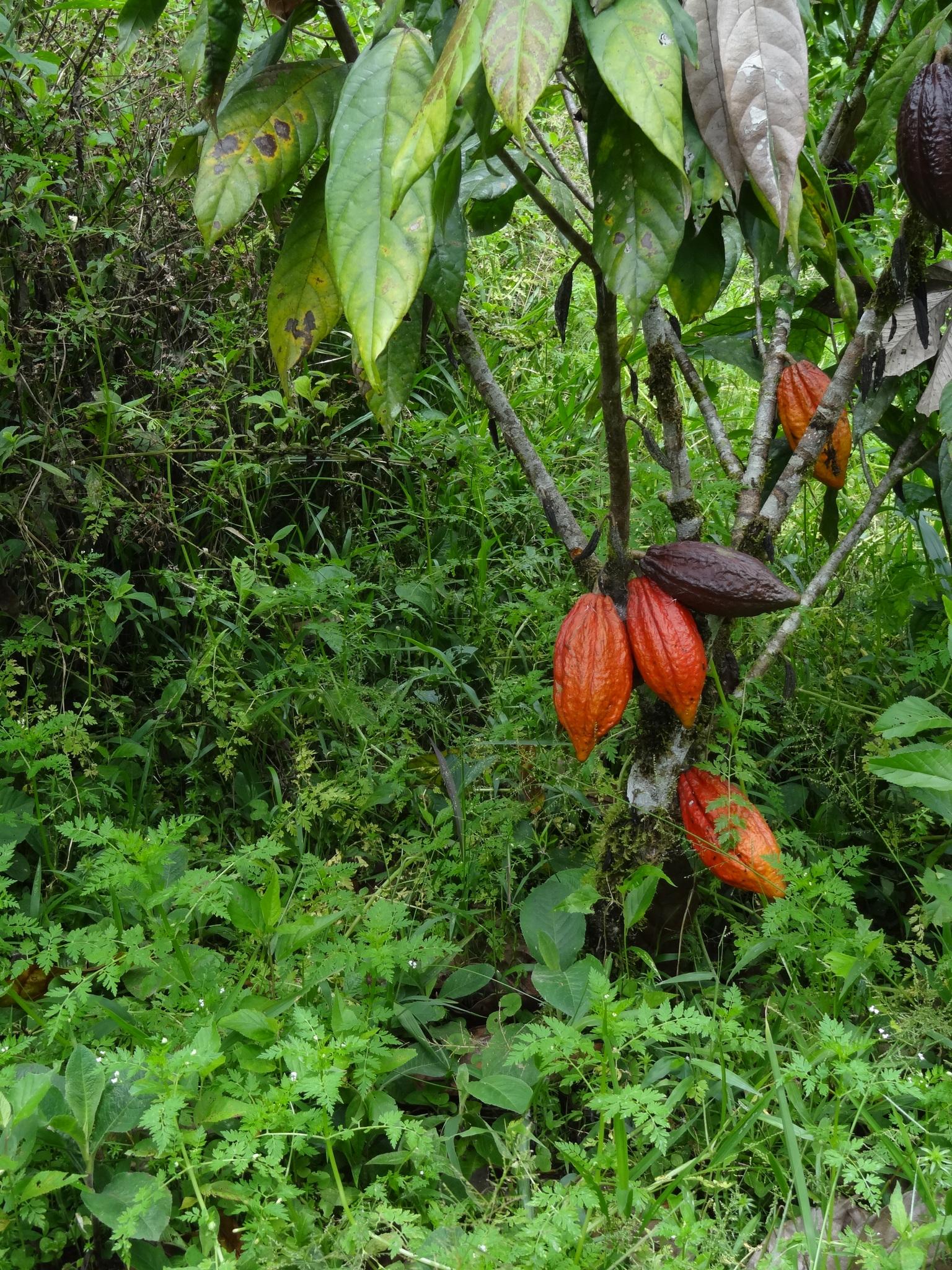
Recent reports indicate that Côte d'Ivoire and Ghana, two of the world's leading cocoa producers, are implementing strategies to revive their production in the face of growing climate challenges. The impact of El Niño, which has caused extreme weather conditions, has raised concerns about the stability of cocoa harvests in these countries. According to a report from the International Cocoa Organization (ICCO), cocoa production could be affected, highlighting the need for a proactive approach to maintain global cocoa supply.
Prices and Market Trends
Currently, cocoa prices in the international market are influenced by several factors, including the rising demand for chocolate and weather conditions. Recent figures from ICE show that cocoa prices have seen a slight increase, reaching 3,600 FCFA/kg. However, forecasts indicate that price fluctuations are likely to persist due to climate uncertainty. Meanwhile, Ghana has announced an ambitious plan to increase its cocoa processing capacity, aiming for a production of 1 million tons by 2025 (source: AGENCE ECOFIN).
Sustainability Initiatives and Transformations
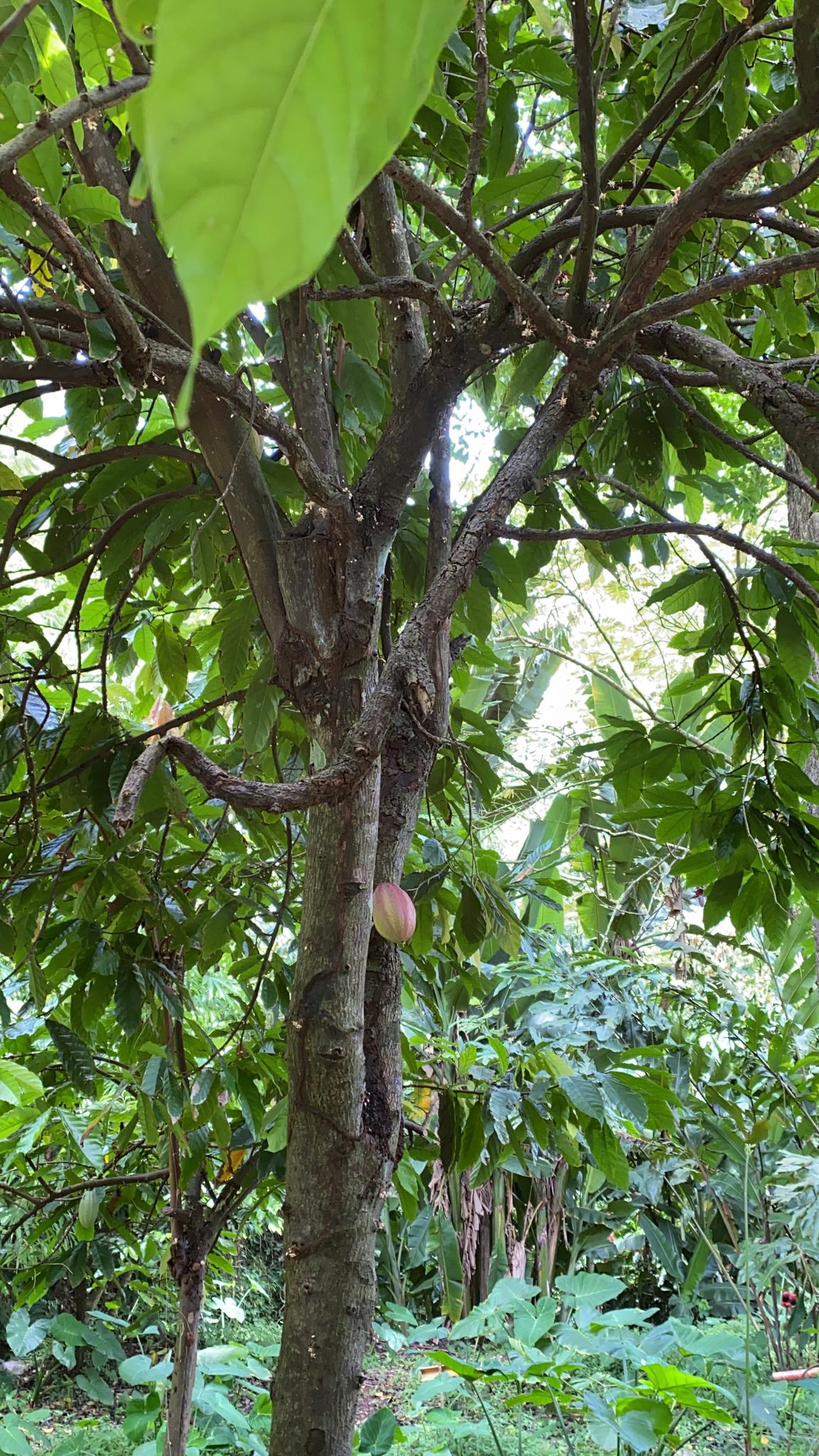
Both countries are also seeking to strengthen the sustainability of their cocoa supply chains. Ghana, for example, has implemented programs to encourage sustainable agricultural practices and reduce the carbon footprint of cocoa farming. These initiatives are essential not only to meet the growing demands of international markets but also to ensure that small producers benefit from fair income. In Côte d'Ivoire, authorities are also working to improve transportation infrastructure to facilitate exports and reduce post-harvest losses (source: Cameroon Trade Hub).
Industry Perspectives
The ICCO predicts that global cocoa production could reach 5 million tons by 2025, but this will largely depend on managing climate impacts and sustainability efforts implemented by producing countries. Experts estimate that without adequate measures, production could decline, thus affecting the entire chocolate industry. Processing companies, such as Barry Callebaut, are also committed to reducing their environmental impact and investing in more sustainable production technologies (source: Financial Afrik).
Conclusion
As Côte d'Ivoire and Ghana strive to overcome climate challenges and revive their cocoa production, their efforts in sustainability and innovation will be crucial to maintaining their position in the global market. The future of the cocoa industry will depend not only on the ability to produce but also on how these countries adapt to the increasing demands of consumers and international regulations regarding environmental and sustainability standards.
(source: AGENCE ECOFIN; Cameroon Trade Hub; Financial Afrik)
Get the daily market brief
Cocoa, coffee and EUDR insights in your inbox.
→ Get the daily market brief